
Walking a 1000-year-old Pilgrim Trail Through the Italian Alps.
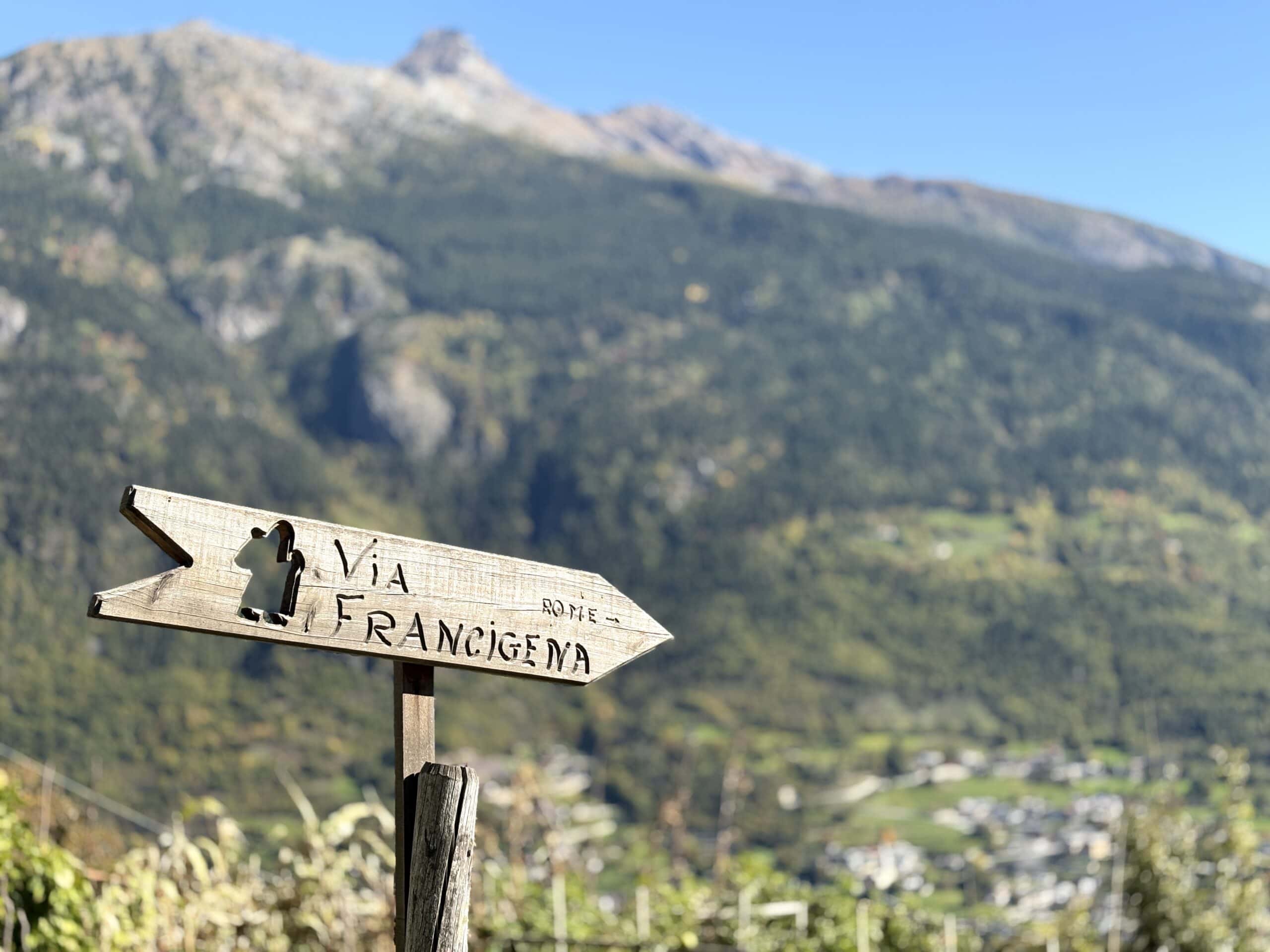
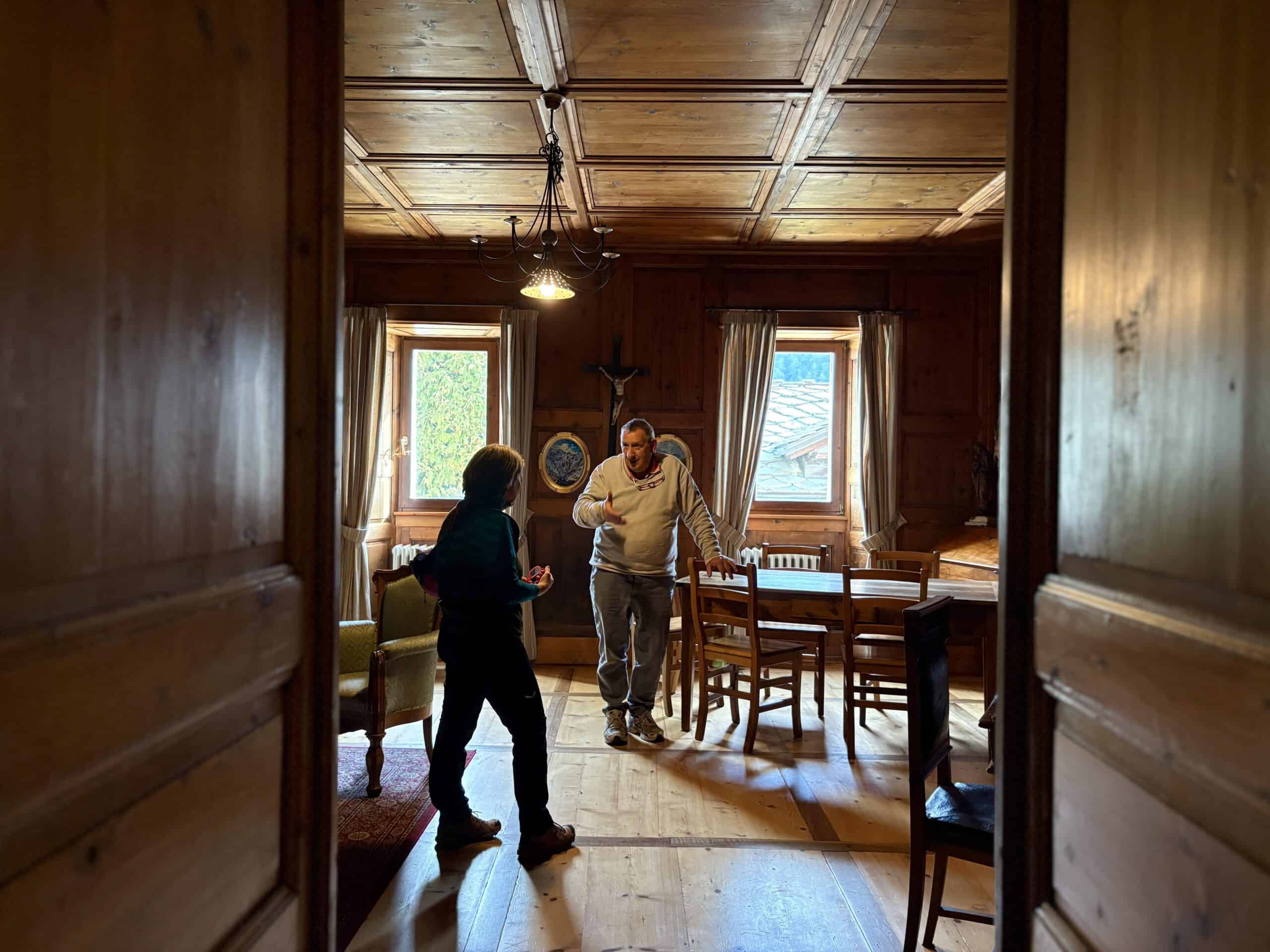
On an early autumn morning, I woke up to the sun’s rays streaking through the colorful stained glass windows of my stone and wood room. I readied myself for the day’s walk, and stepped out into the chilly air that the sun hadn’t yet warmed. My friendly Italian host family invited me into the arched stone basement, warmed by ancient heating pipes, where they’d laid out a delicious breakfast spread: bread from the local bakery, homemade marmalade of raspberry and lime from their own garden, and a side of heartwarming conversations about life in Etroubles – their gorgeous Alpine village home to only 480 residents!
I landed up at their family-run BnB while hiking the 1000-year-old Via Francigena trail in the Aosta Valley. The rest of my day would be filled with several kilometers of walking on a gentle wooded trail with oak and chestnut trees in fiery red and orange autumn colors, panoramic vistas of the Italian Alps, clear mountain streams, ancient wooden bridges, charming Italian villages with stone houses and abundant food gardens, and hearty meals of red turnip gnocci, pumpkin ravioli and foccacia!
If you’re looking to go off the beaten path and slow travel in Italy, consider going to the Aosta Valley and walking sections of the Via Francigena trail, because:
This spectacular hiking trail begins in Italy at the Great St Bernard Pass at ~2500 meters
which marks the Alpine border between Switzerland and Italy
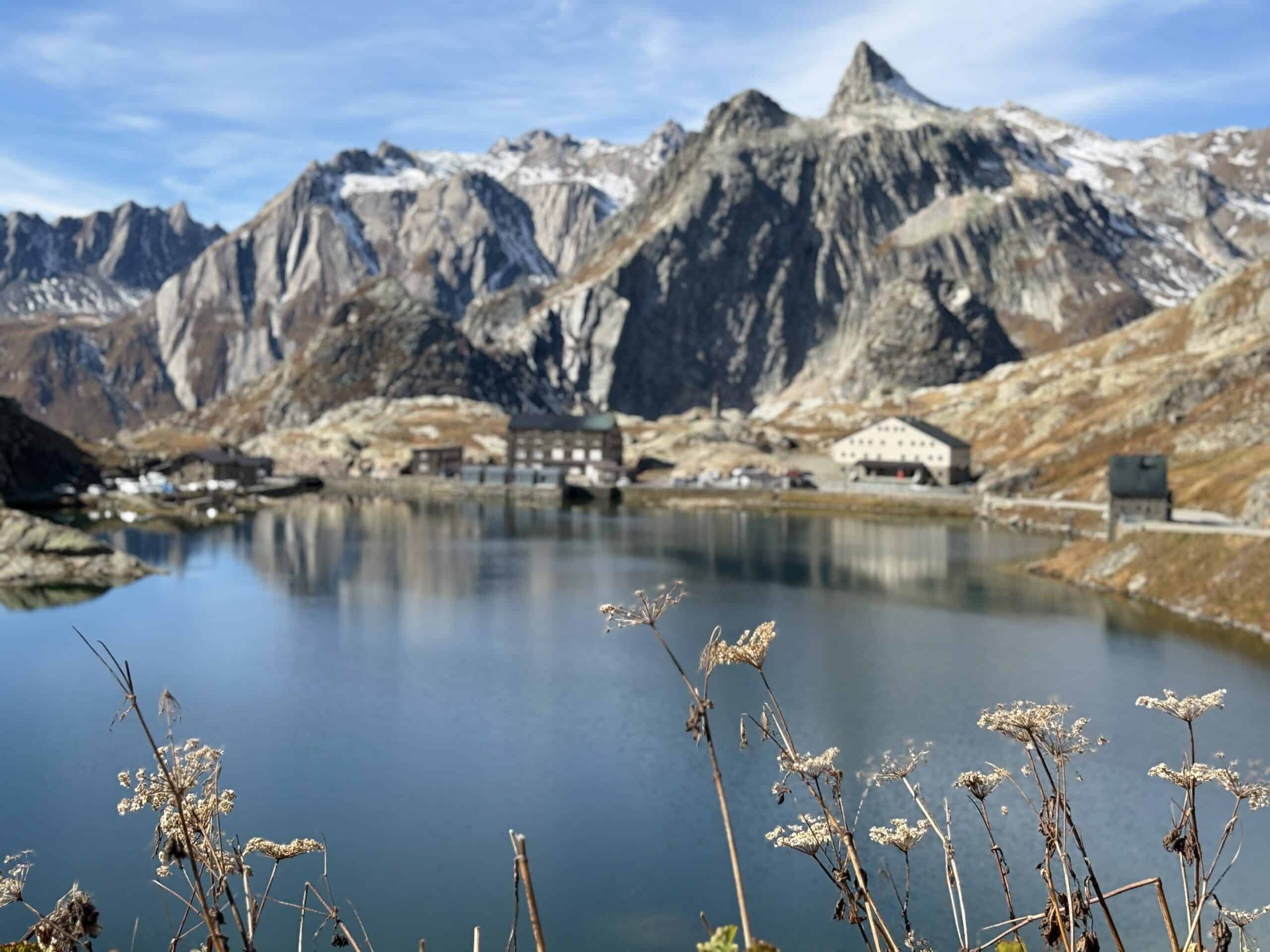
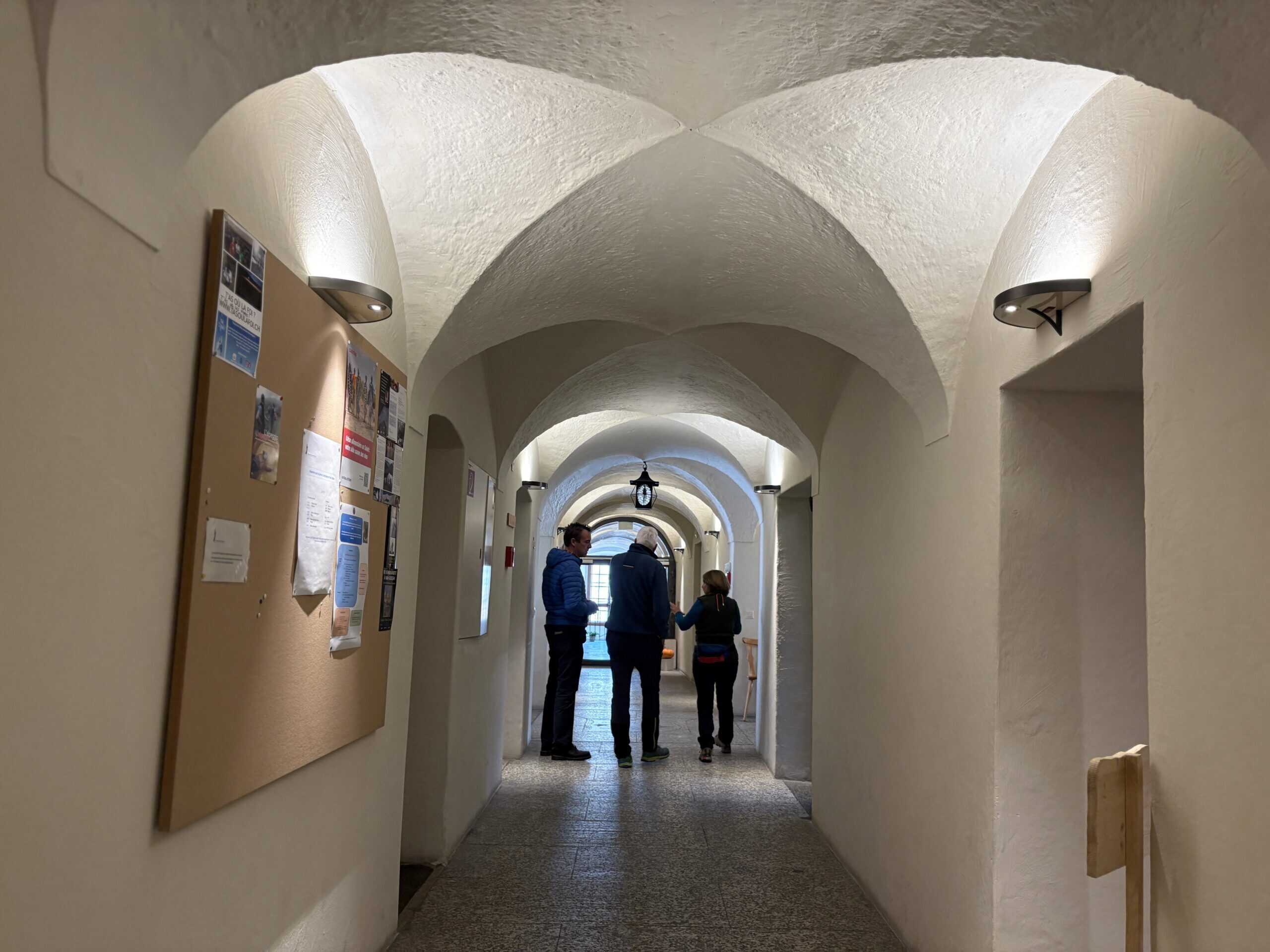
Where you can spend the night at an 11th century monastery
aka the Great St Bernard Hospice, one of the most experiential spots to sleep on the Via Francigena!
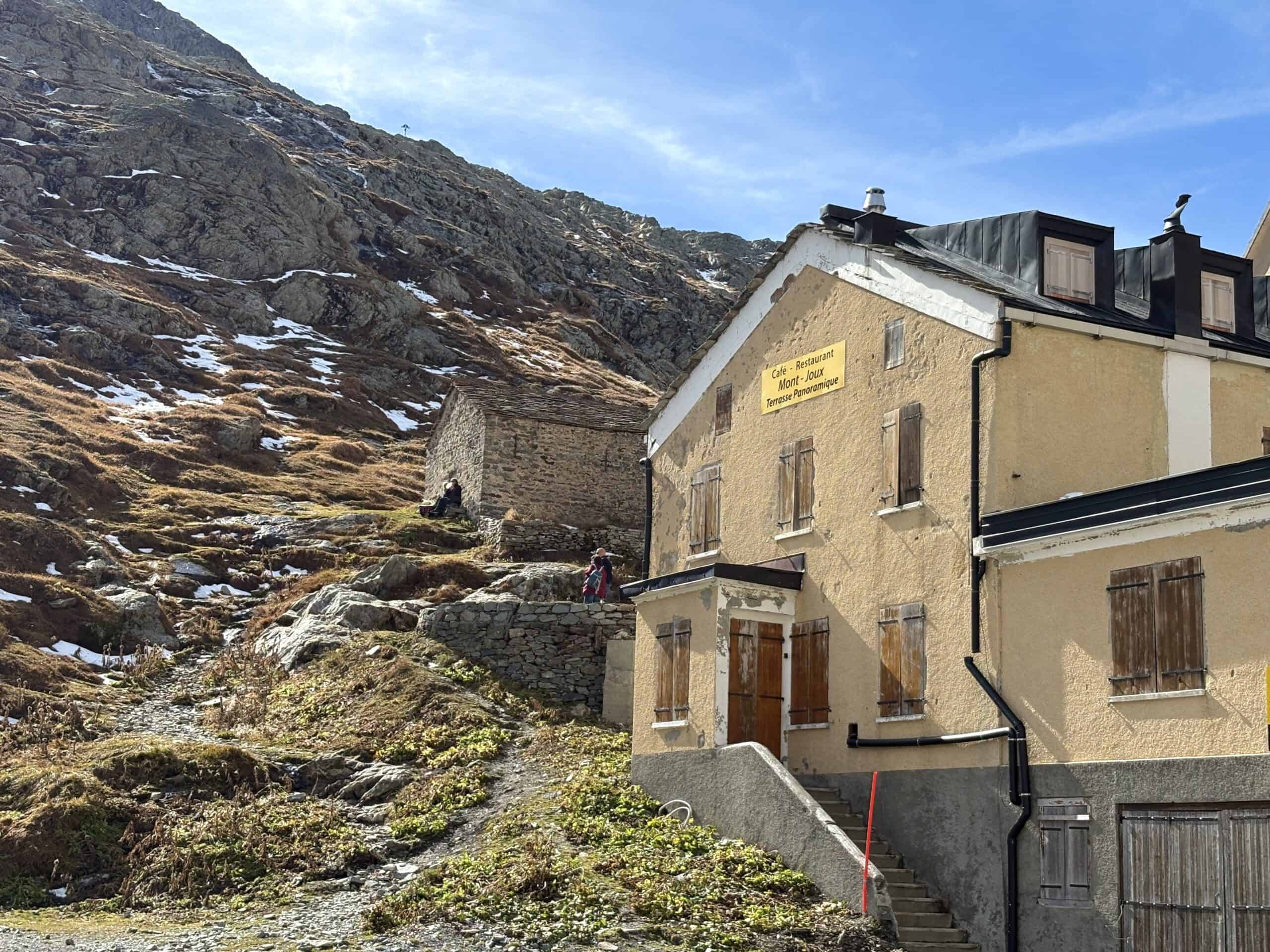
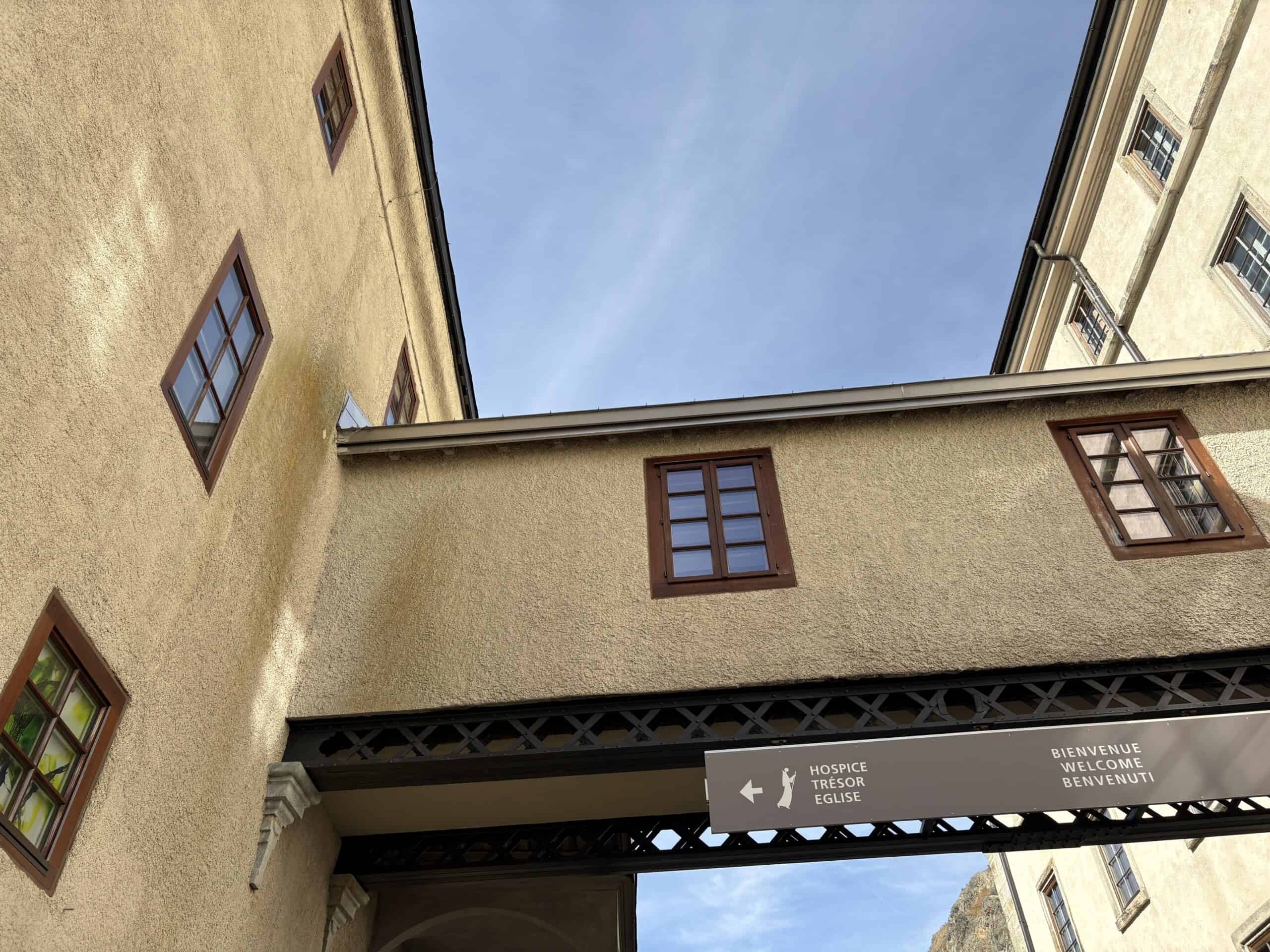
Retracing the footsteps of an Archbishop who first walked this trail in the year 990
Over a 1000 years ago, he recorded his adventures in a journal
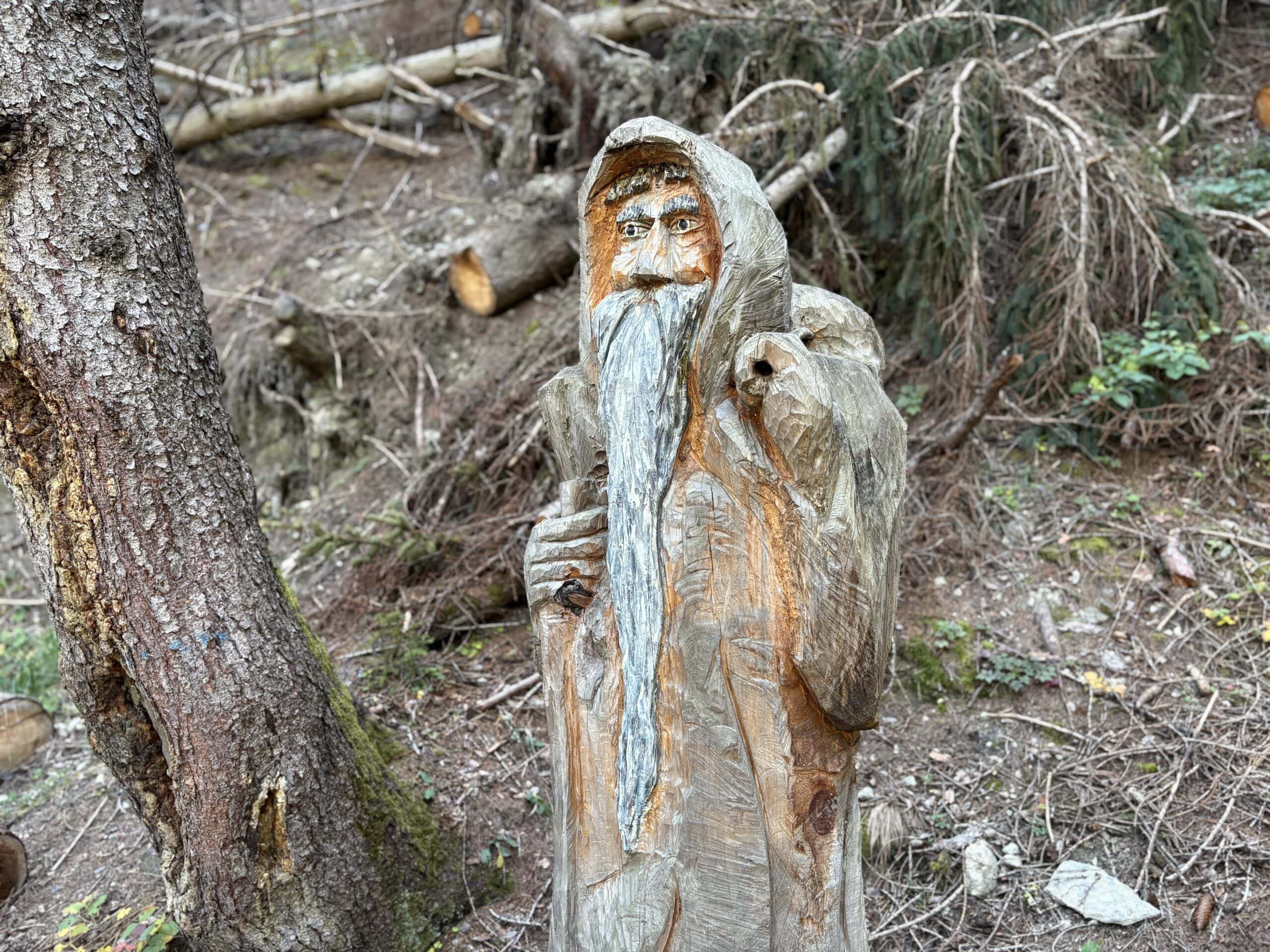
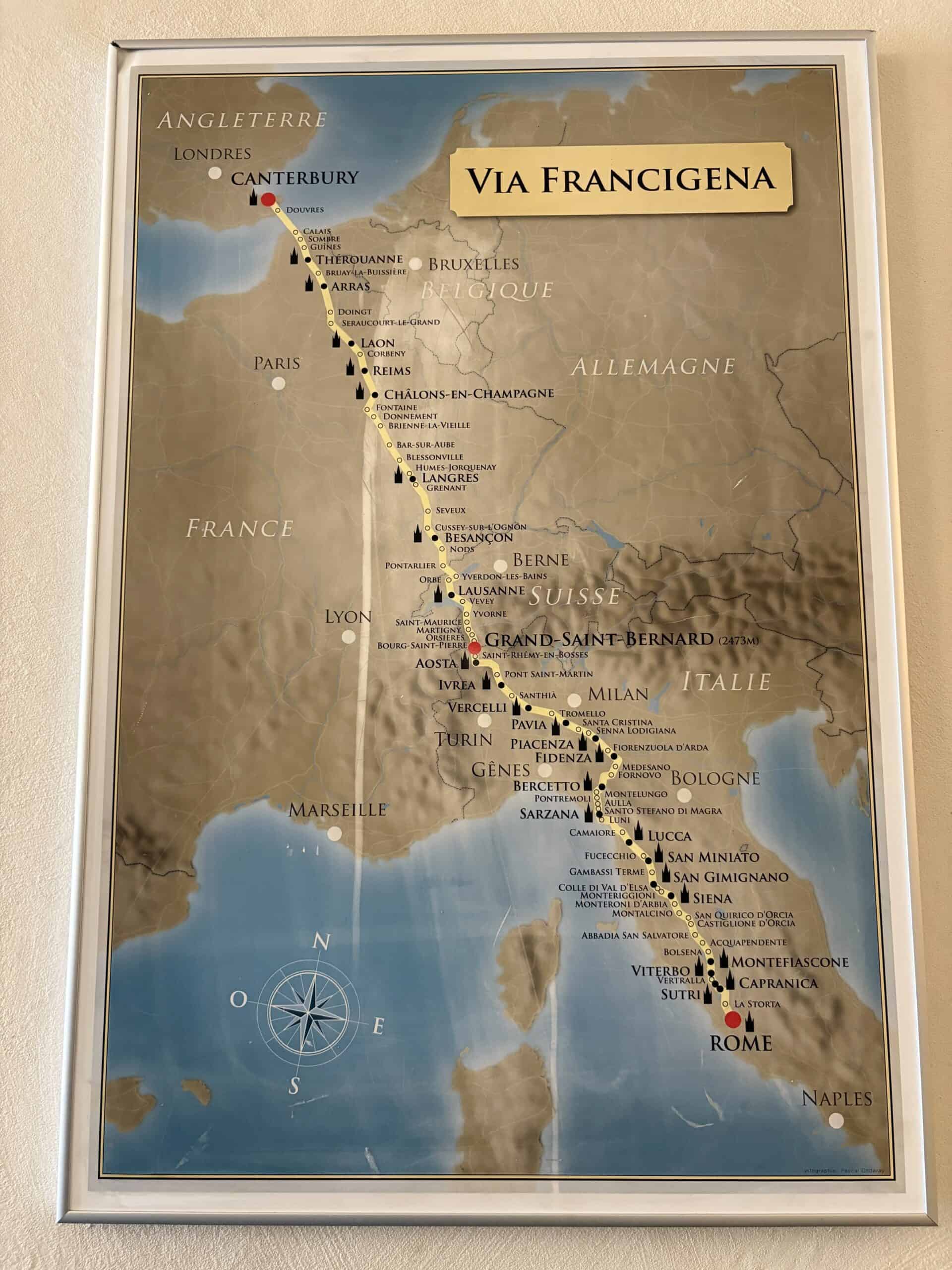
All the way from Canterbury in England to Rome in Italy
via France and Switzerland, and the Italian Alps in the Aosta Valley, walking over 1800 kilometers! The Via Francigena map below illustrates his route from Canterbury to Rome, and the stops he made enroute
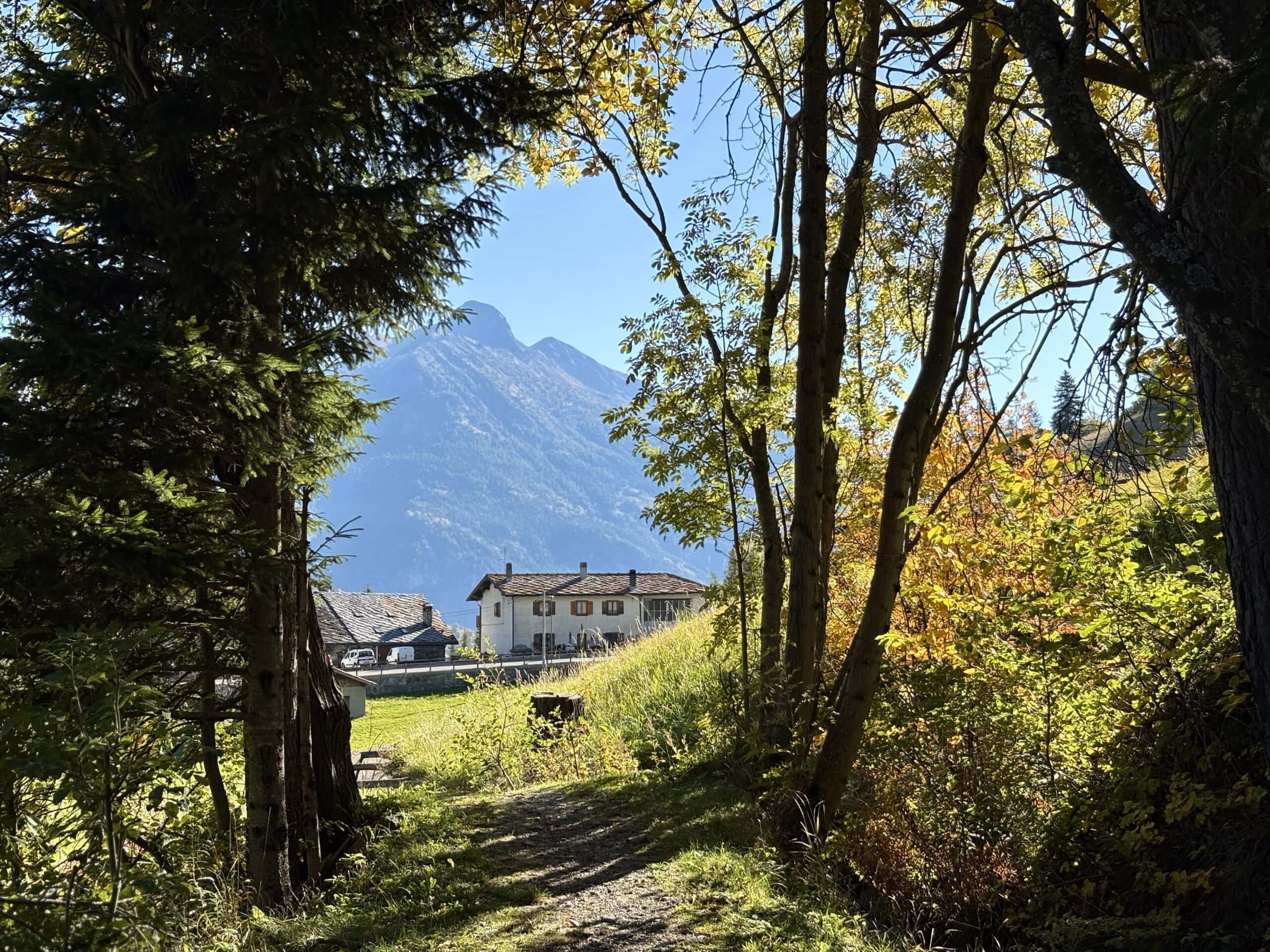
The hike traverses some of Italy’s most spectacular landscapes
– rugged Alpine peaks, stunning glacial lakes, magical forests in fall colors, wildflowers and berries, roaring rivers and gentle streams
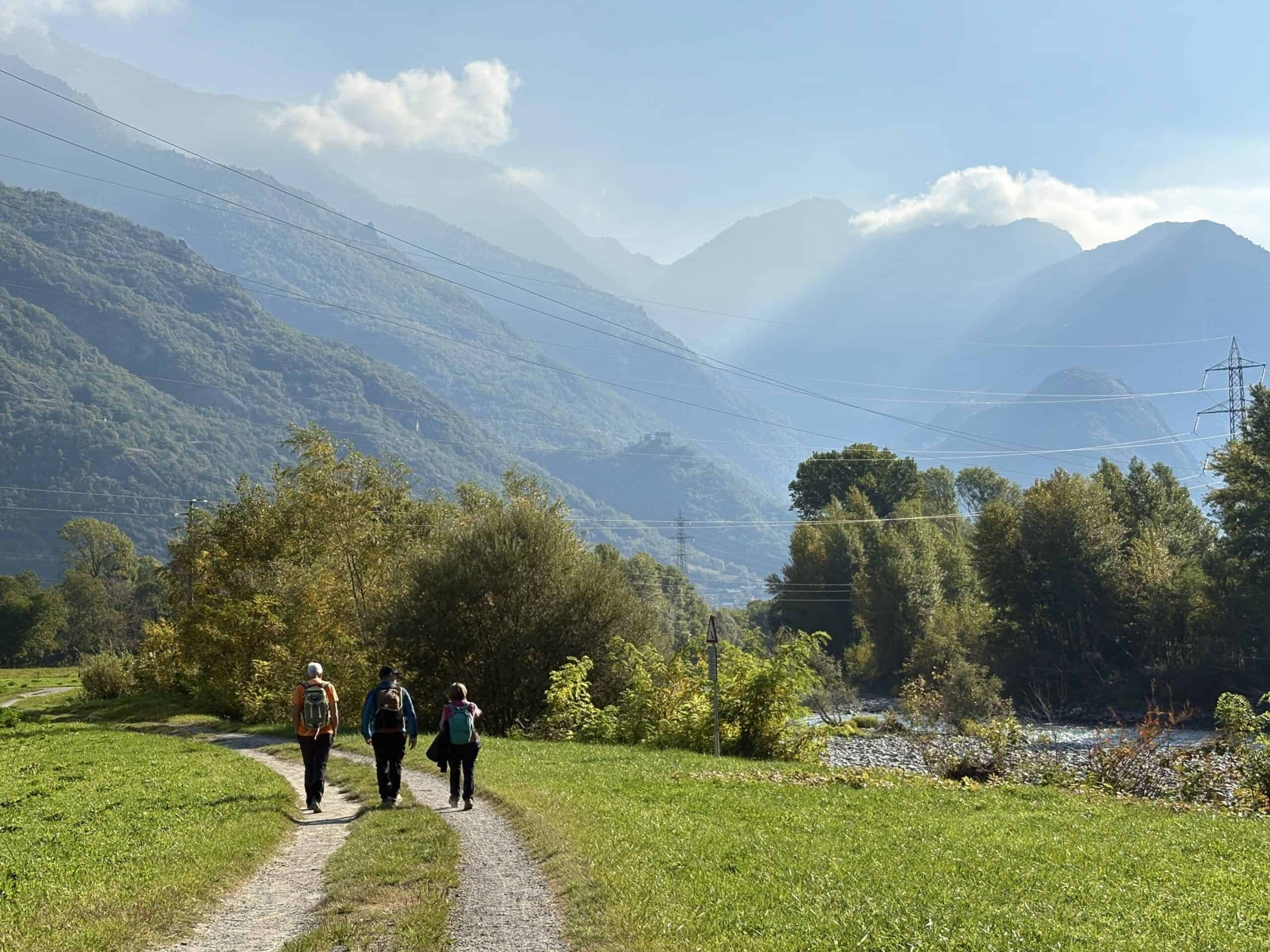
Which change every day and with every section
We went from jagged Alpine peaks to gentle hills to agricultural landscapes over just 3 days!
But it’s not just a hiking trail
especially in the Aosta Valley in northwest Italy – one of the country’s most under the radar regions. The city of Aosta has been called the “little Rome of the Alps,” and we caught glimpses of Roman-era theatres, meeting places, churches and streets along the way
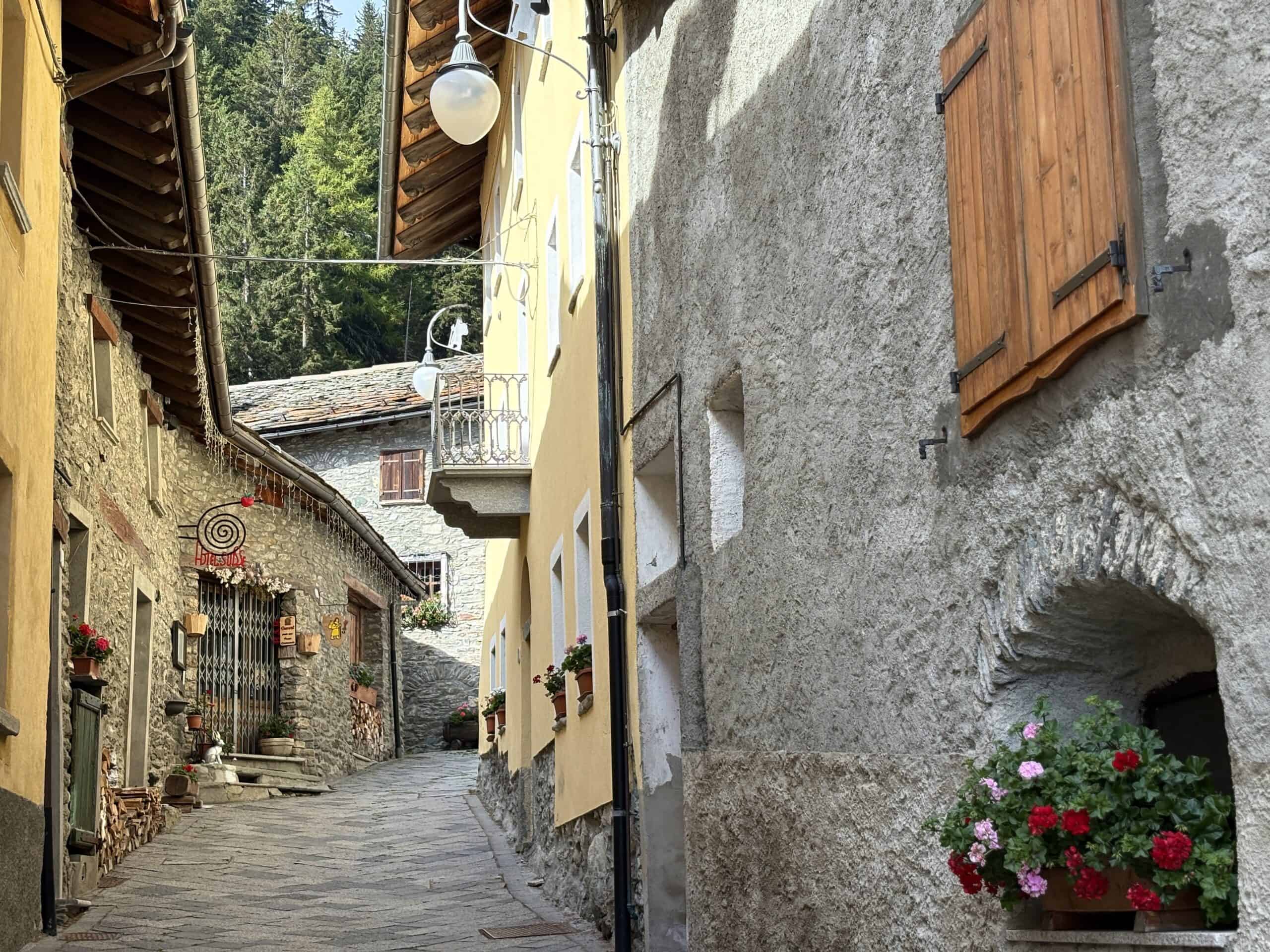
It’s a chance to experience some of Italy’s most charming villages
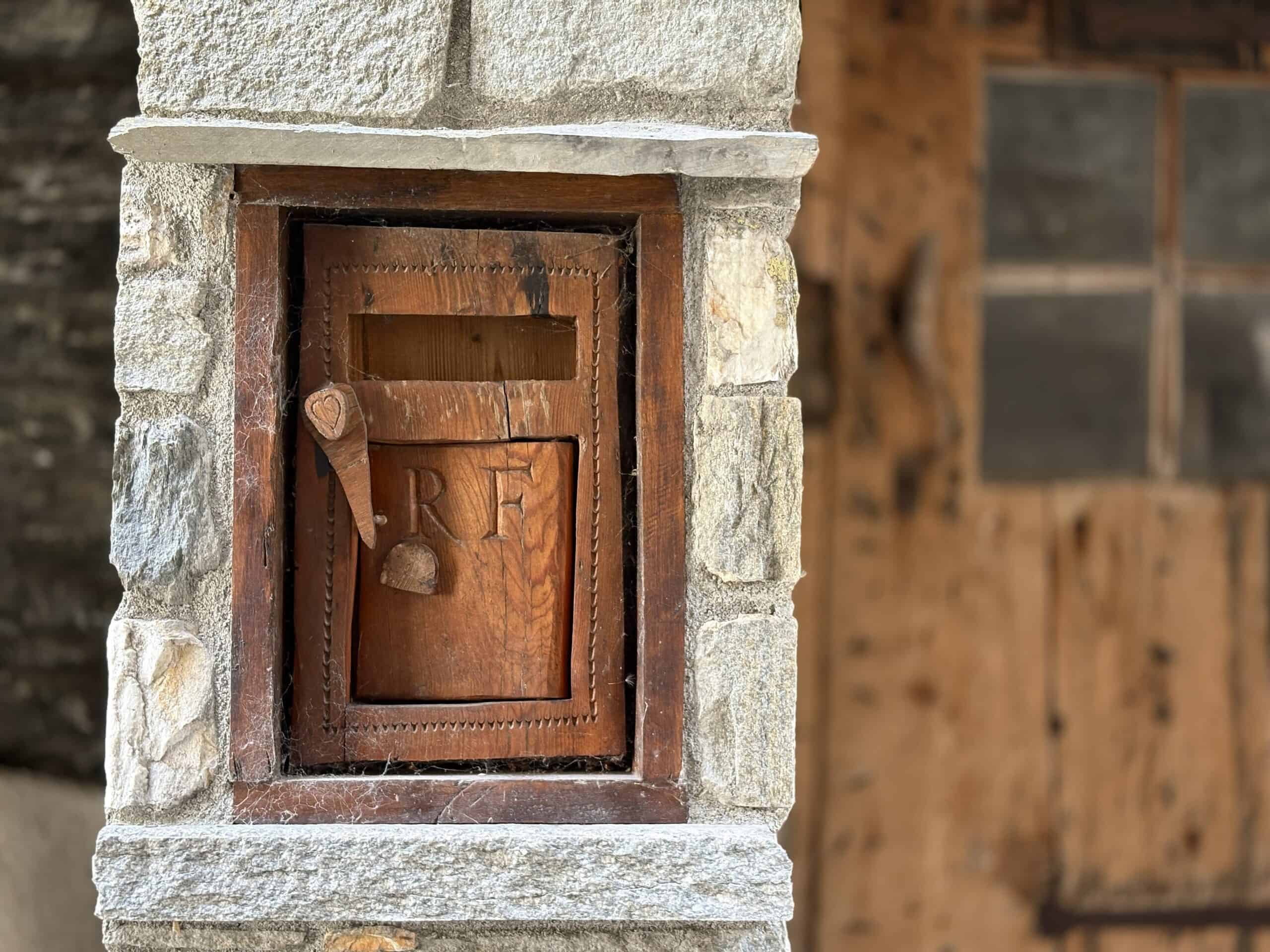
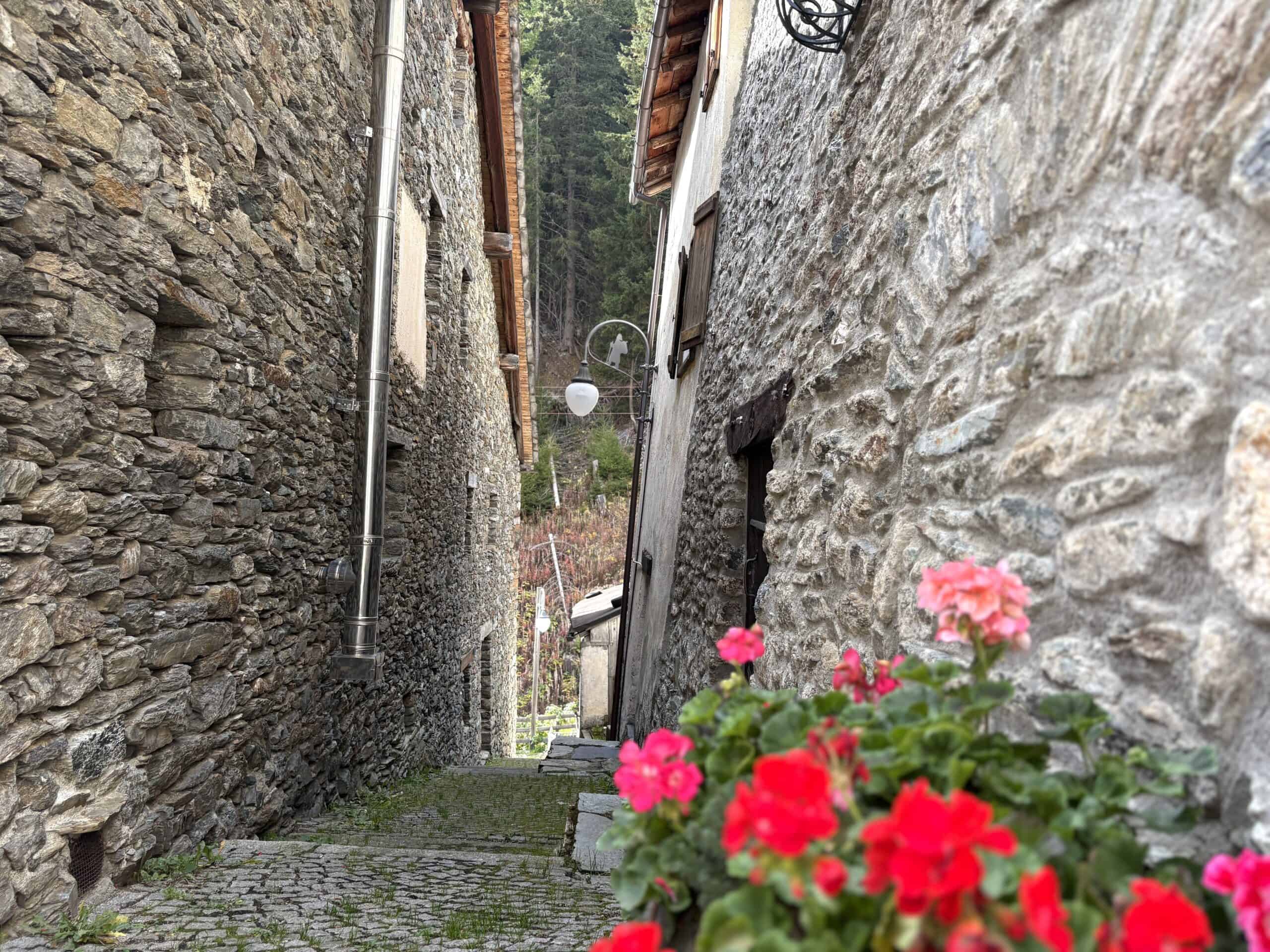
I’m amazed at how they’ve retained their local stone and slate roof architecture, and felt a sense of abundance at all the veggies, fruits, berries and herbs growing all along!

Without jostling with the crowds
Everyone has time for a chat and a siesta
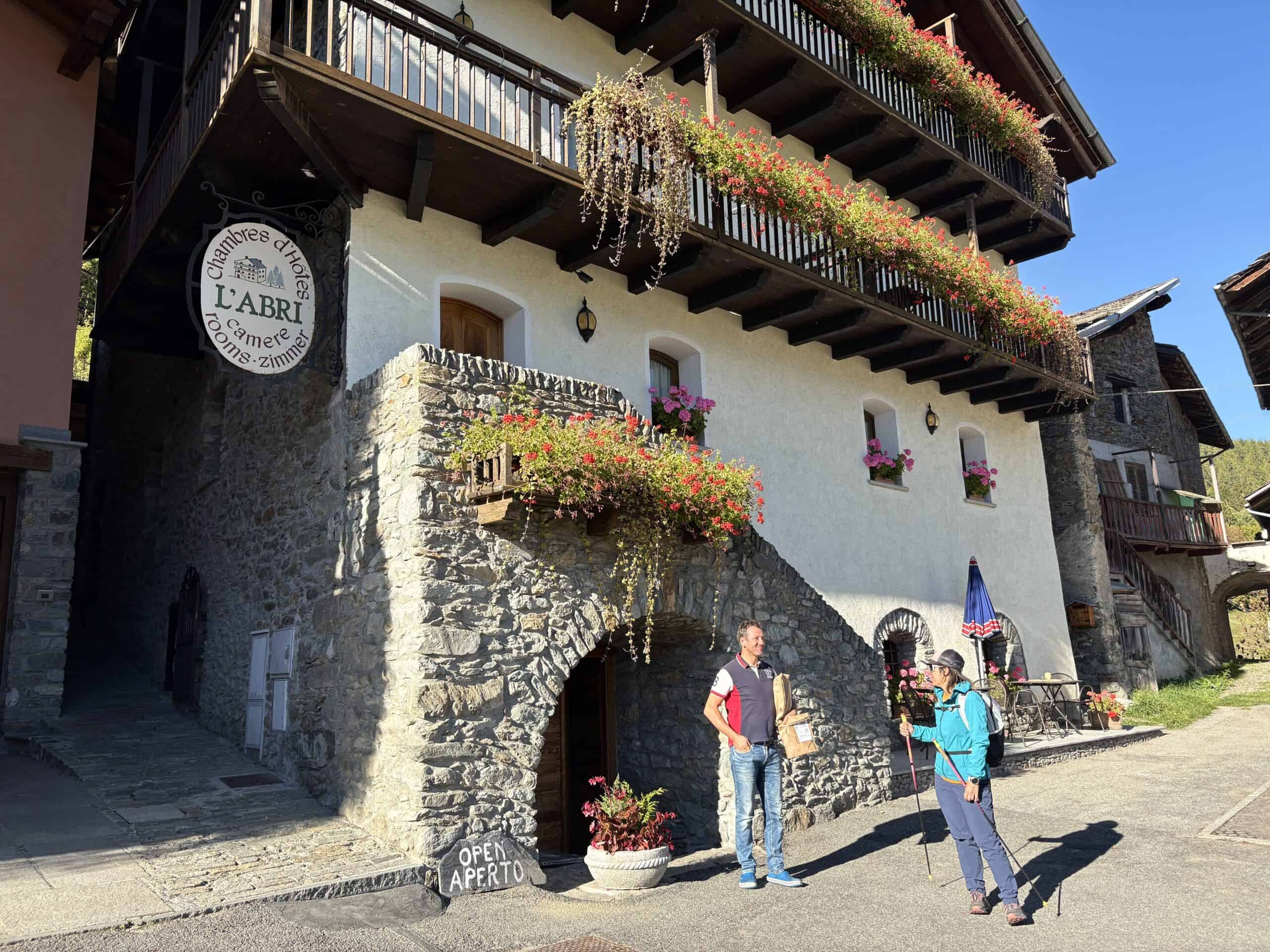
You can sleep in family-run BnBs along the way
Eat at Napolean-era restaurants and local pizzerias
I was surprised at how willing local families and chefs were to customize local food to be vegan – a welcome change from my past trips in Italy! There’s no losing weight on this trail 😉
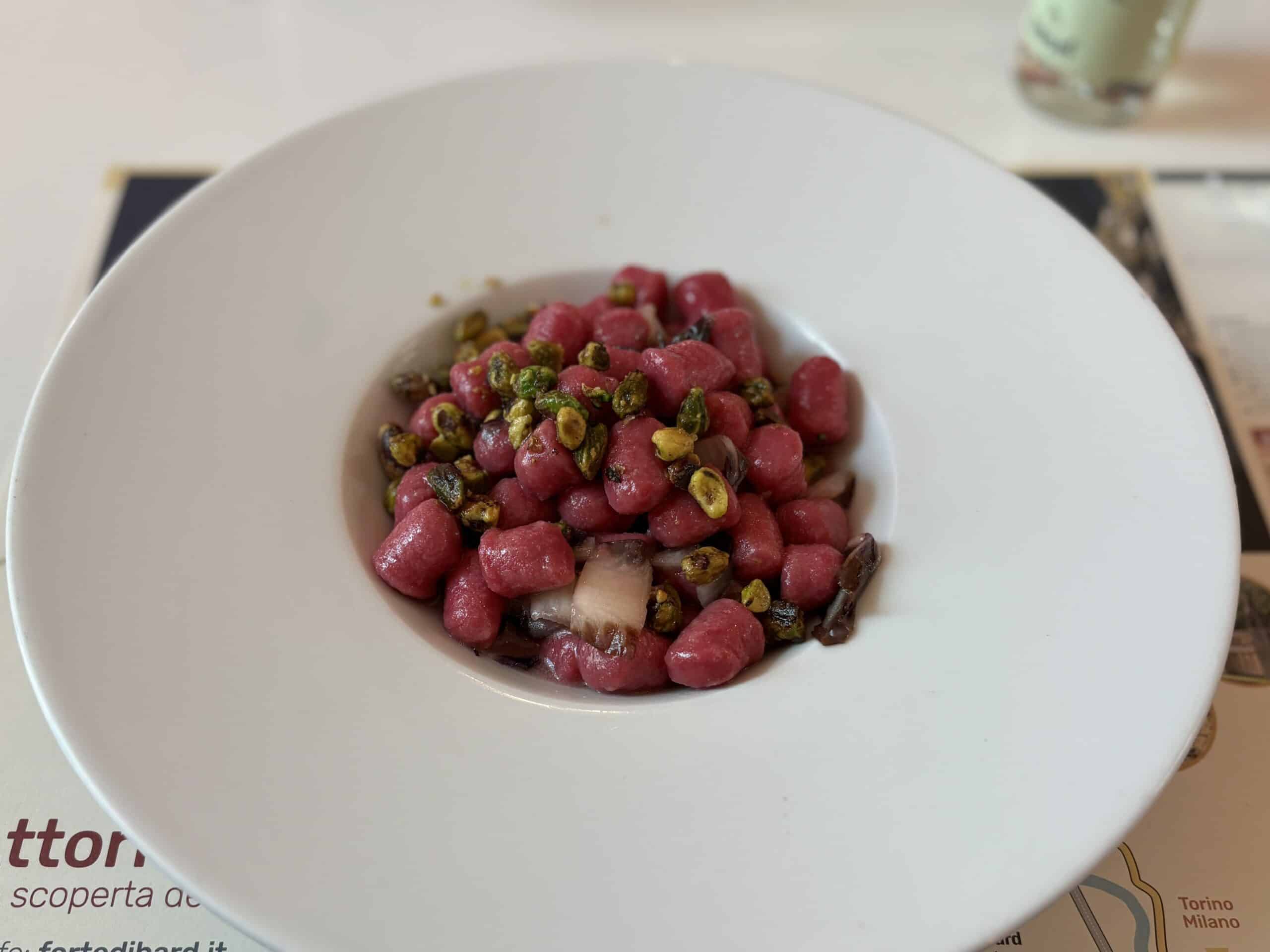
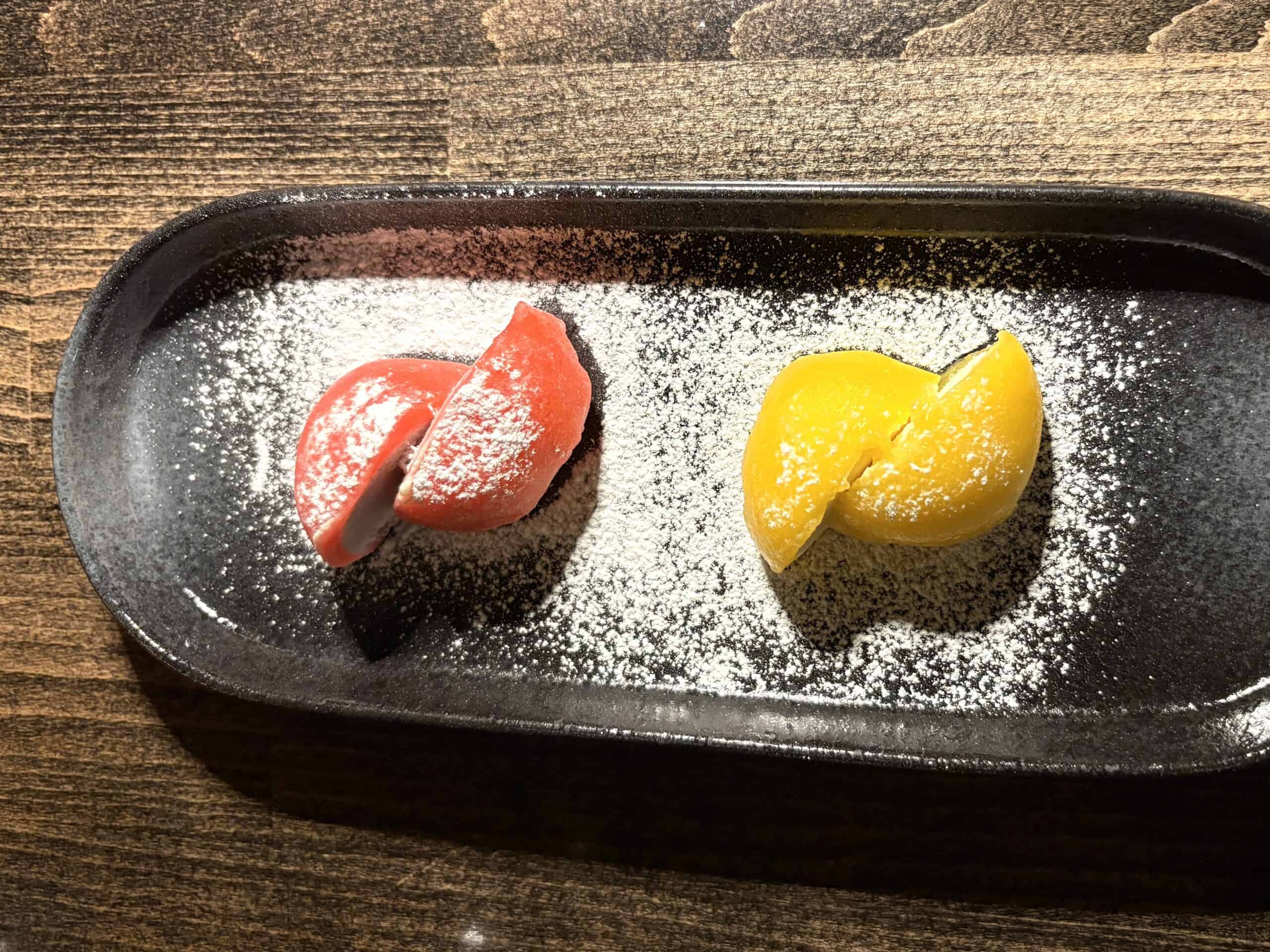
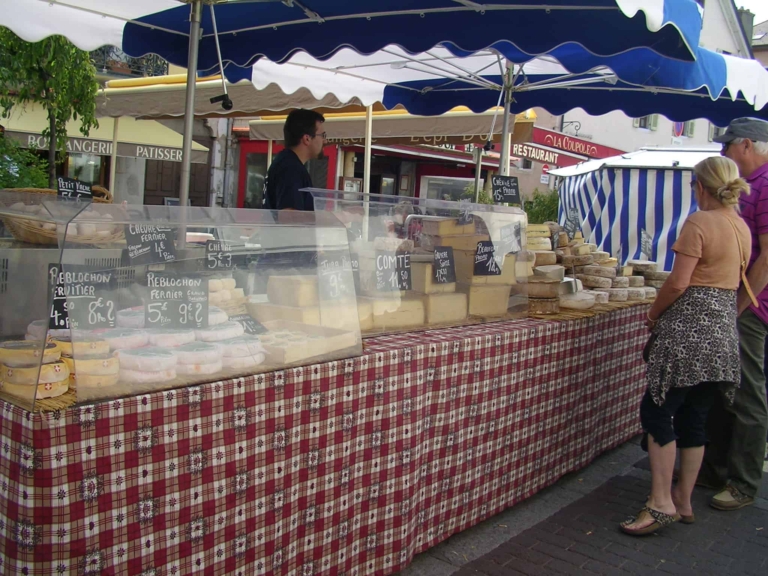
Visit ancient churches and local farmers markets
Think gothic interiors, church choirs, fresh roasted hazelnuts, homemade products by women entrepreneurs, local music and a festive vibe.
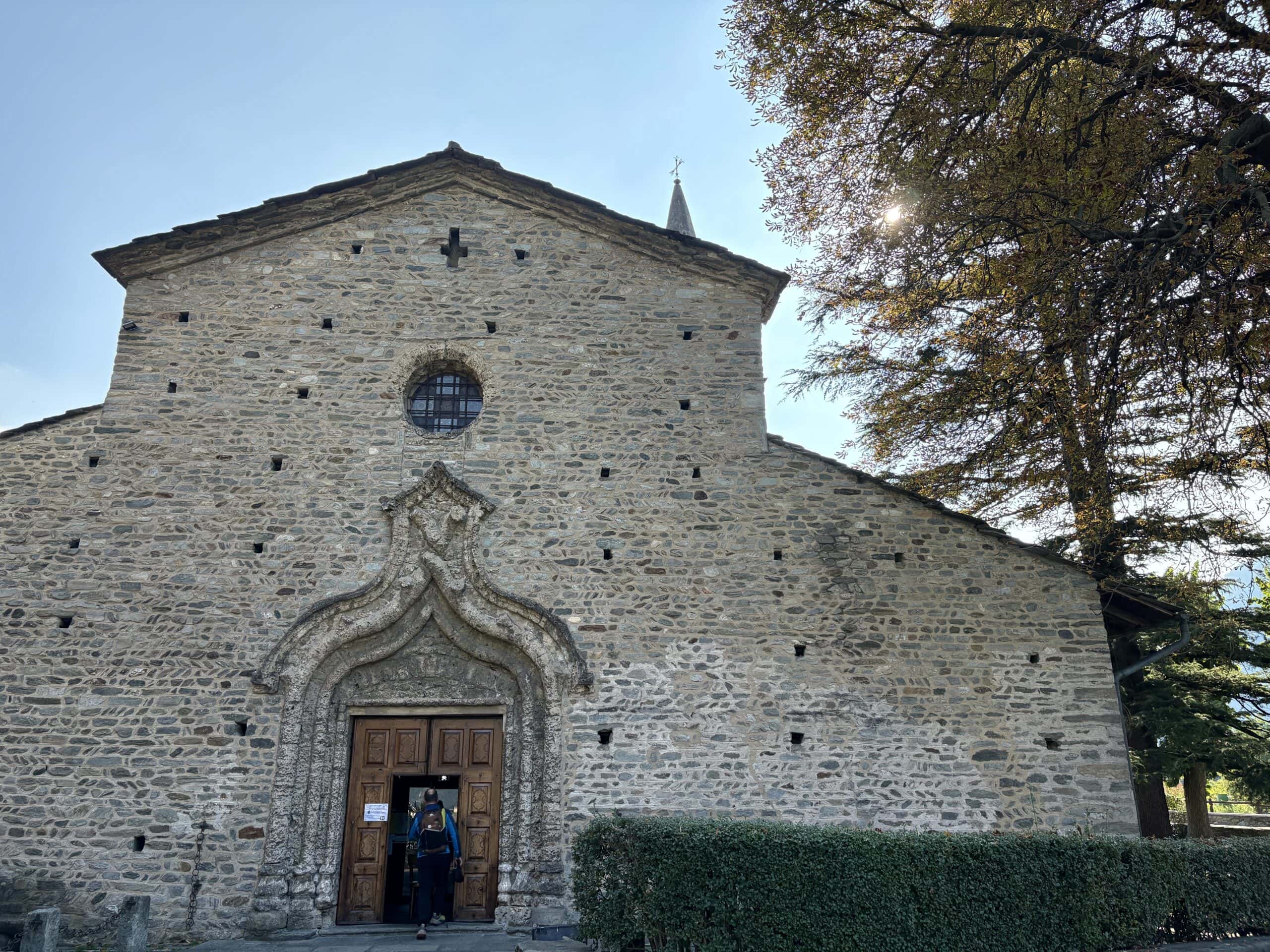
And get back on the trail guided by street signs and Roman-era paintings
This is solitude meets culture, if you want it to be!
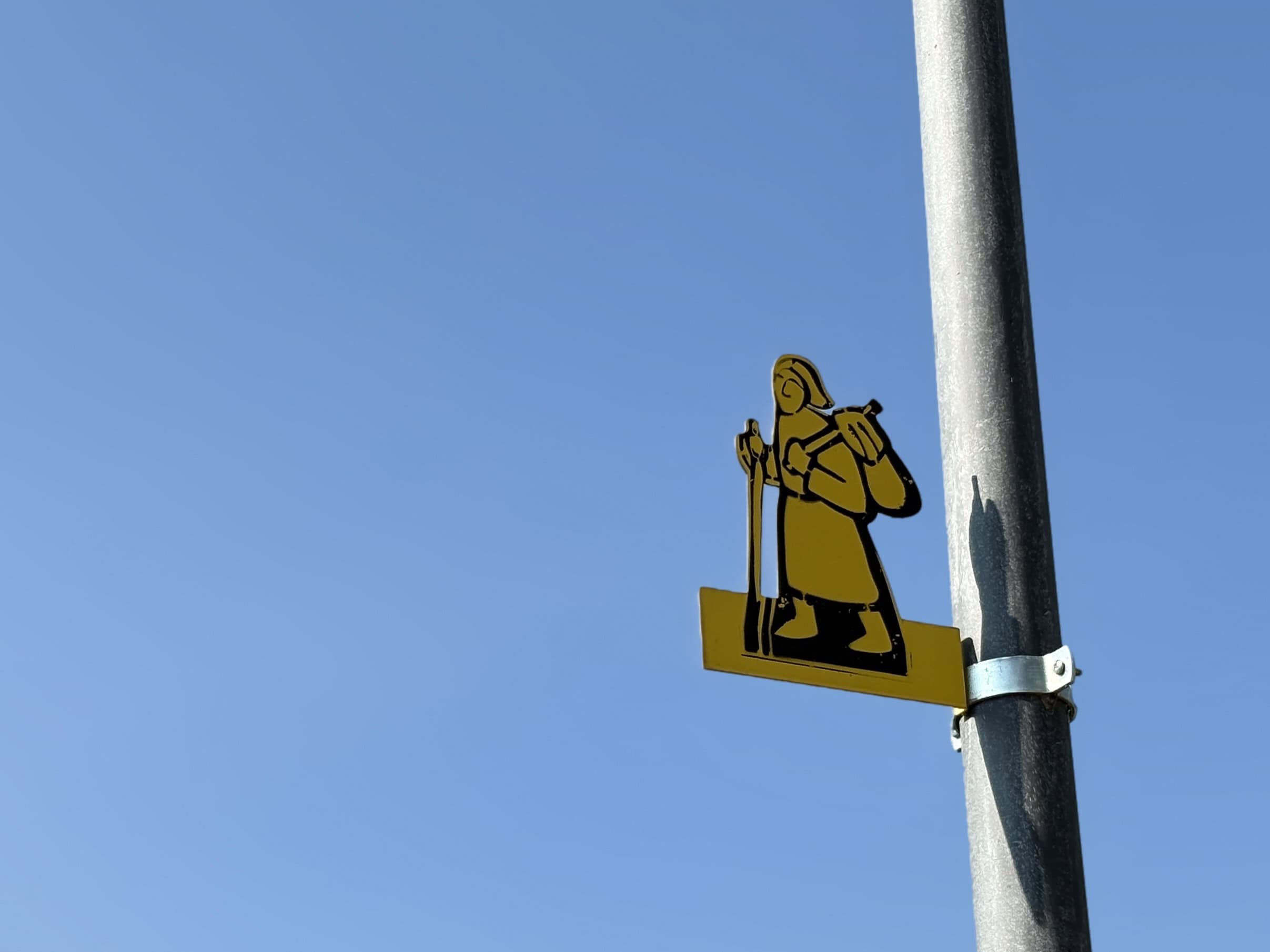
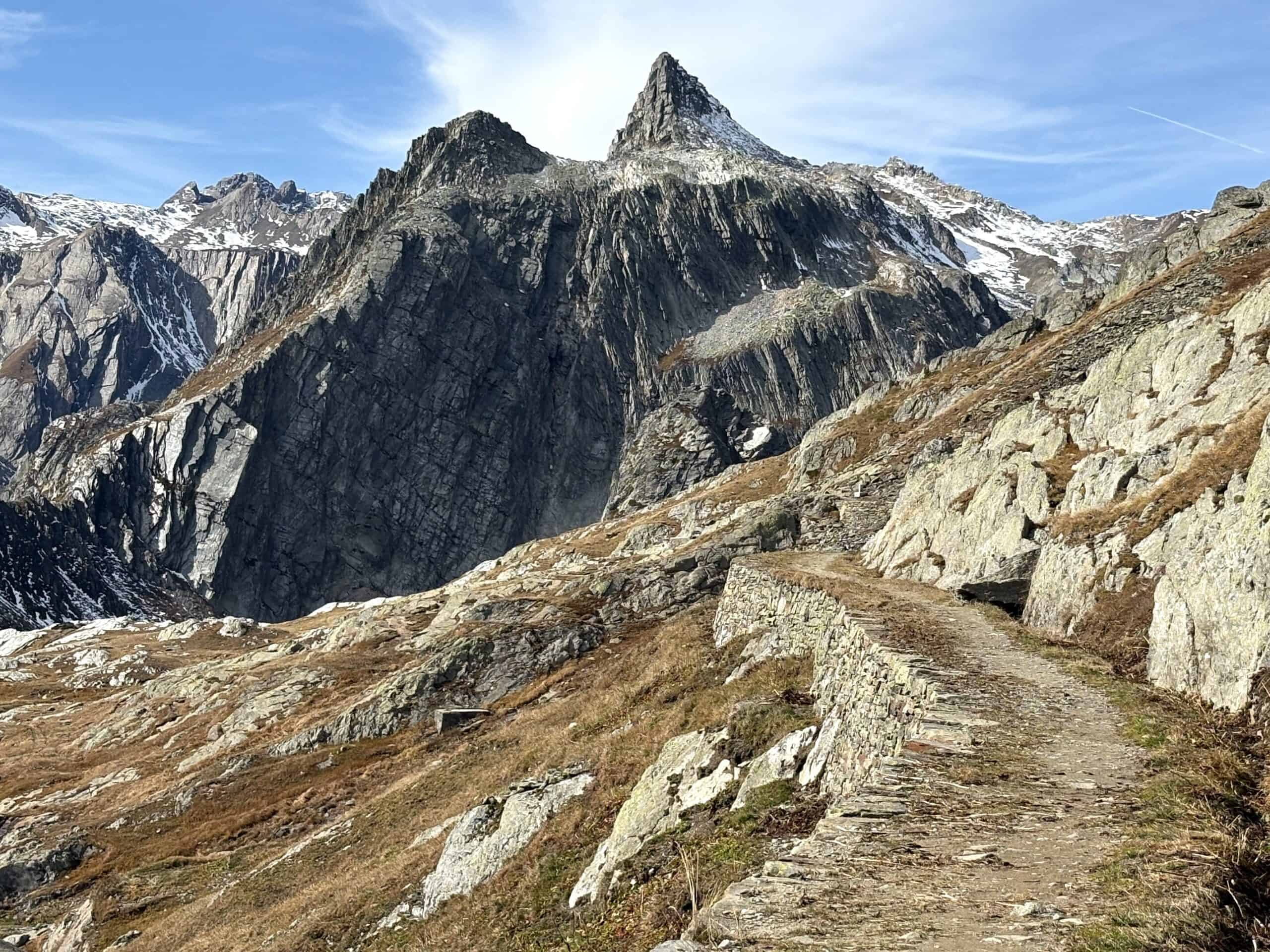
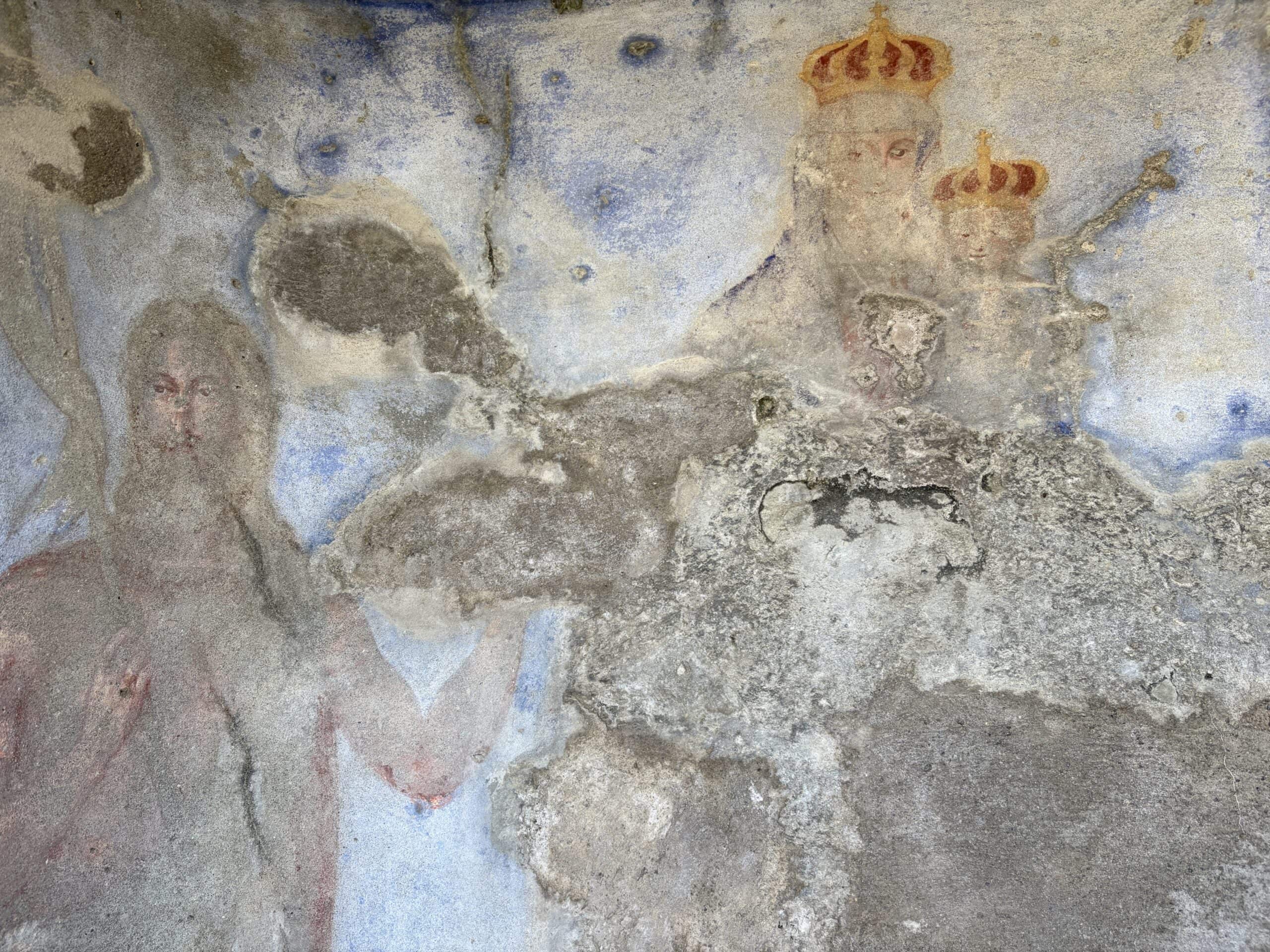
It’s the perfect way to slow travel in Italy
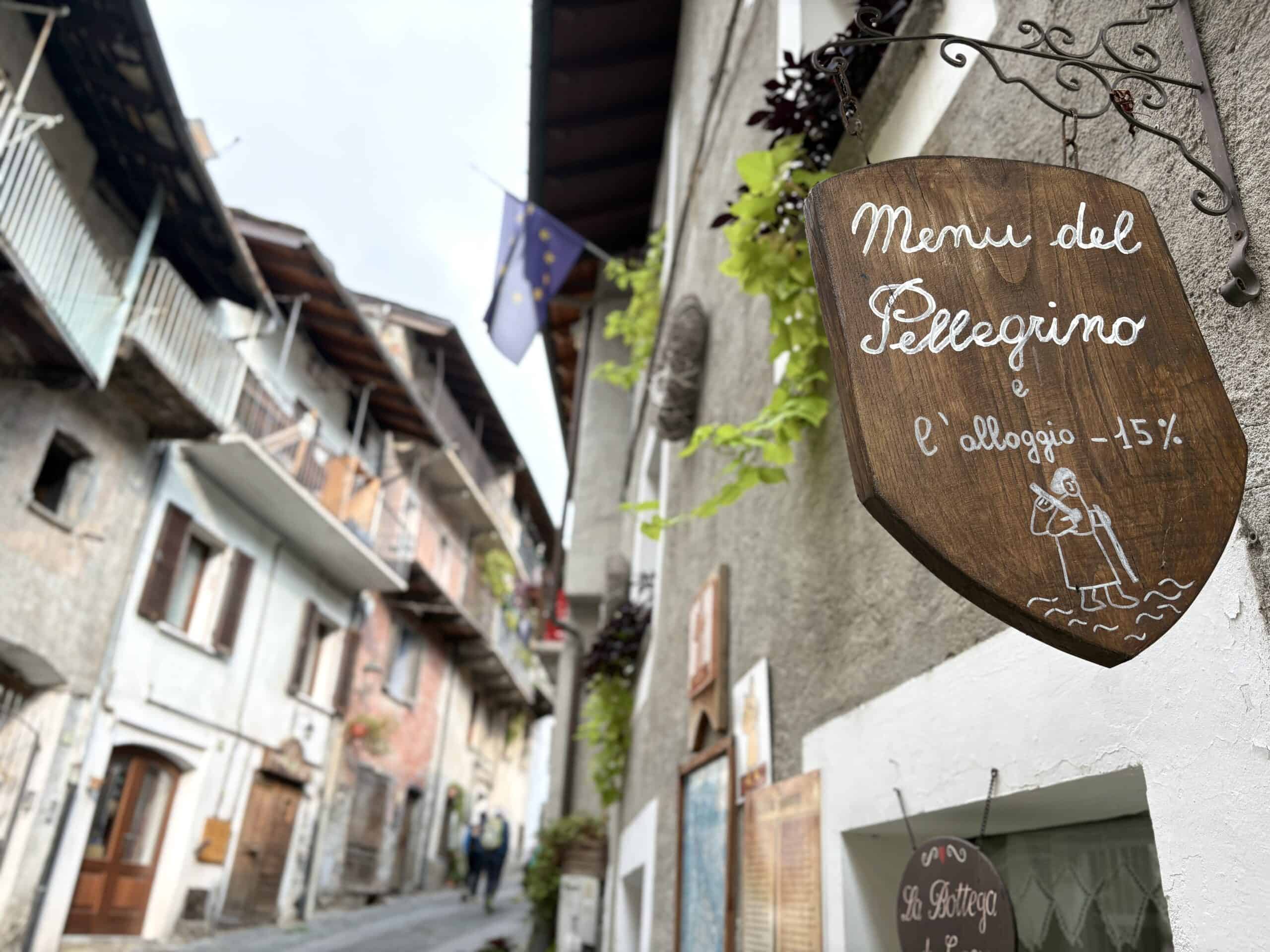
Without the rush of getting somewhere
Because this journey is part of the destination!

FAQs: WALKING THE VIA FRANCIGENA
How long is the Via Francigena?
The Via Francigena is an 1800 kilometer long pilgrim trail, starting in Canterbury in England and ending in Rome in Italy. It can be done in sections, and also in reverse. In Italy, it begins in Aosta Valley in the Italian Alps, and continues through the mountains and coast all the way to Rome.
How long does it take to walk the Via Francigena?
Archbishop Sigeric made 79 stops on his long walk, on which the Via Francigena stages are based. I spent 3 spectacular days on it in the Aosta Valley. I met people hiking the trail for 5-10 days. Like the Camino in Spain, it can be hiked in sections, or even as part of longer trips in Italy.
When is the best time to walk the Via Francigena?
Autumn! In mid October, the fall colors were in full bloom in the Aosta Valley, and I loved walking under their canopies, watching the colors dance in clear streams. The trail in the Italian Alps is accessible from late April to early November, when the snow has melted and walking is safe (especially the Great St. Bernard Pass where the Italian section begins).
How to plan the Via Francigena route details?
The Council of Europe website is the best way to plan a Via Francigena walking holiday. For each section of the trail, you can find detailed information of beginning and end points, detours along the way, and the intensity of each day. I walked from the Gran San Bernardo via Echevennoz to Aosta, and highly recommend these sections for their gentle intensity, spectacular landscapes, charming villages, and a glimpse into Roman-era ruins along the way!
Although the trail is well-marked with plenty of signs along the way, the Komoot app is a good way to navigate any tricky parts and keep track of the kilometers ahead. I haven’t come across guided Via Francigena walking tours, but it’s pretty easy to plan on your own, and seek recommendations from local tourism boards on detours to take in the region you’re hiking.
What to pack for Via Francigena?
That depends on the season you’re travelling in, but if you’re hiking the Via Francigena in the Italian Alps, pack in layers that can be added or removed depending on how cold the weather is and how sweaty you feel from the hike!
Where to get the ‘Pilgrim Passport’ stamped?
You can get a Credential or ‘Pilgrim Passport’ at the tourism office of the area where you’re starting the trail, and have it stamped at various locations – pilgrim dorms and BnBs, restaurants and even some churches. The stamps represent the sections you’ve walked, with the eventual goal of making it to Rome. It was such fun to walk into the city of Aosta and have our Via Francigena Pilgrim Passports stamped at the city tourism office!
How old is the Via Francigena?
The Via Francigena pilgrimage dates back atleast a 1000 years, when Archbishop Sigeric walked this trail from Canterbury to Rome, and documented the journey in a journal. Before the trail became well-signposted, ancient Roman-era paintings in caves, on the walls and in roadside chapels showed pilgrims the way! Some say the term Via Francigena (meaning via France) was first used in the 8th century to refer to people walking from France to Italy through the Alps.
Where to sleep on the Via Francigena?
All along the Via Francigena, there are special dorms and beds reserved for pilgrims. You can sleep in old monasteries and family-run BnBs for a nominal cost. It’s best to reach out to them beforehand so you can be sure you’ll have a warm space to spend the night (or even a few days) before resuming the trail.
Would you like to walk this ancient hiking trail in Italy someday?
I hiked the Via Francigena on invitation from Ministero del Turismo, Valle d’Aosta and the Via Francigena EU. Lucky me!
Also read:
Living With An Italian Artist in Umbria
Retracing the Journey of Europe’s Forgotten Refugees
Culturally Intriguing Ways to Experience Europe

Hi there! I’m Shivya, and I started this travel blog back in 2011, when travel wasn’t trendy, Instagram didn’t exist and AI wasn’t a thing (simpler times, I know!). I write about slow, meaningful and conscious travel – that is good for us, the places we visit, the people we meet along the way, and the planet at large. Settle down, grab a cup of tea, and read stories that remind you of the essence of travel. I’m so glad you found me!
What a beautifully detailed and inspiring post! The Via Francigena pilgrimage route seems like such a wholesome way to travel not just physically, but mentally and spiritually to be honest. I really like how you separate the experience with some handy tips and personal insights. For sure, this post makes me want to add the Via Francigena to my bucket list! A big thank you for such an informative guide.
This looks interesting and would like to join.
What a beautiful journey! You’ve shared really helpful tips for travelers interested in this route. In India, we have the Narmada Parikrama, which is also an incredible pilgrimage, though very challenging to complete.
My gosh, Italy is just so stunning! Have been a few times, but this kind of activity would be fun to do next 🙂