Meaningful Things to do in Kigali, Rwanda’s Capital City.

On a cool Sunday morning, my Rwandan hostess, her son, his bicycle and I piled up in her car, and drove the short distance to Kimihurura, near the Kigali Convention Centre. Parking the car around the corner, we walked into the city’s leafy neighborhood that is usually abuzz with cars and motos, but not today. It was a ‘car-free Sunday,’ and it seemed like the entire city was out to walk, jog, run, cycle, skate, skateboard and chill. What a vibe!
After two weeks of back-to-back travel assignments in France and Andorra, I was excited to “settle” in Kigali for a month along with my partner. We quickly figured out motos (motorbike taxis) to get around, and set up momo, the local payment system similar to Google Pay. We found charming rooftop cafes to work from, met zero waste entrepreneurs turning coffee residue and waste cartons into useful products, tried out yoga classes by Rwandan instructors, indulged in vegan-friendly Rwandan and regional food, attended local music gigs, art exhibitions and documentary screenings, experienced the traditional way of life in old neighbourhoods, and had meals with local families through a women-led community tourism enterprise.
We had no idea that this month of slow travel would reveal to us one of the world’s coolest cities!
Best things to do in Kigali
Explore the city with a female Rwandan guide, experience car-free Sundays, seek the joy of ‘umuganda’, visit urban conservation initiatives, learn crafts and cooking from a women’s collective, and more!
Experience the city on motorbike / foot with a female Rwandan guide

During our first week in Kigali, we found ourselves at the Nyamirambo Women’s Centre, learning about the incredible journey of a collective of Rwandan women reshaping tourism in the city. We were led by a female local guide on an insightful walking tour of Nyamirambo, the city’s oldest neighborhood – featuring community shops grinding cassava leaves into a paste to make the accidentally vegan Rwandan national dish isombe, soulful street art, conversations on rapid changes in the city, and lunch in the home of Aminatha, Nyamirambo’s best chef!
That was just the beginning. I returned to interview them, learn about their training programs for would-be women entrepreneurs from challenging backgrounds, and witness the start of their newest tour: a women-led motorbike city tour featuring many Kigali attractions, in a city where moto drivers are always men!
Also read my story for Adventure.com: The Rwandan women changing lives, one tour at a time
Learn about Rwanda’s painful genocide history and inspiring rebuilding efforts
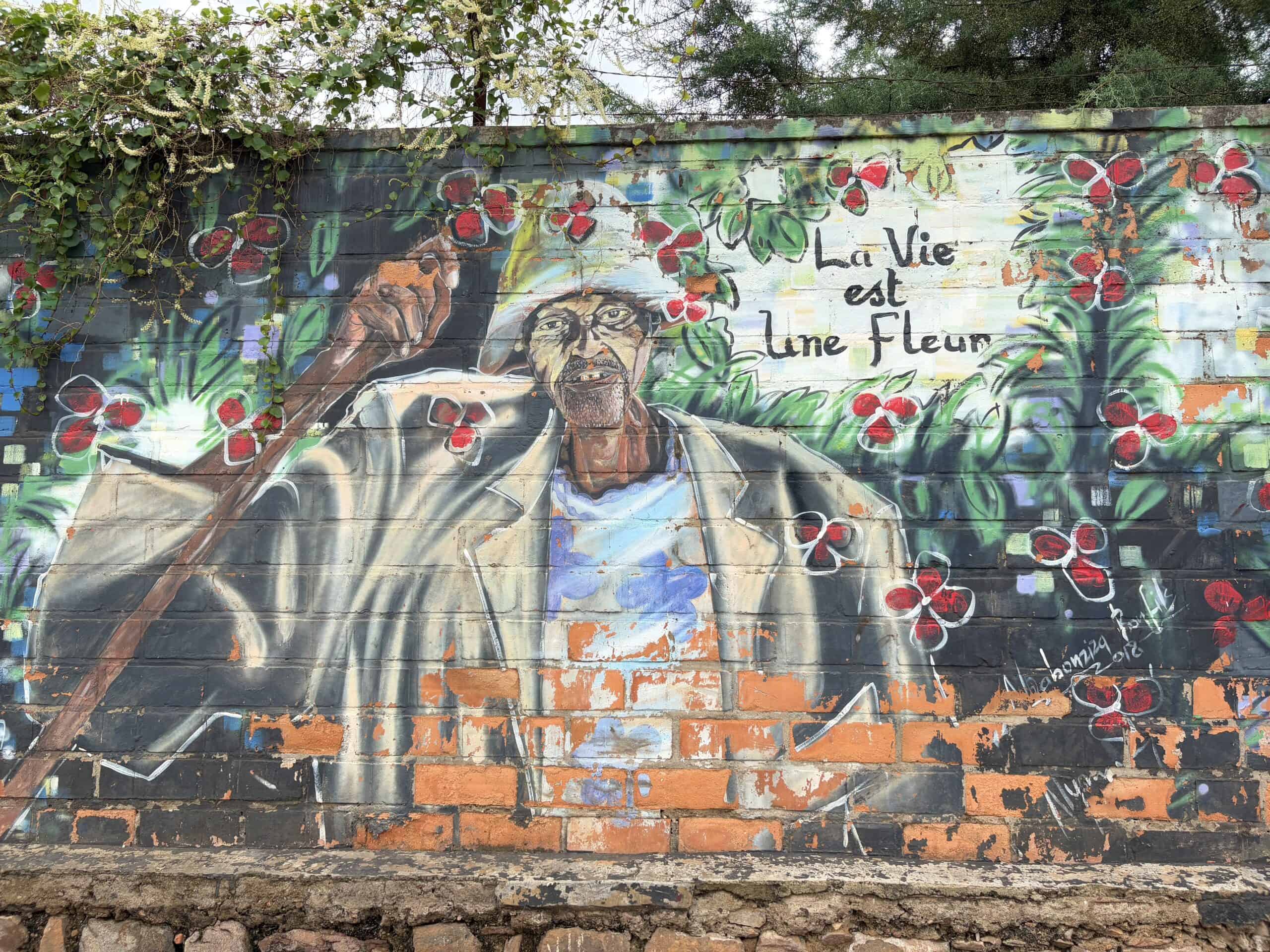
When we planned our three months across East Africa, I had no idea our month-long stay in Kigali would coincide with the memorial month of the Genocide Against the Tutsi. In April 1994, Rwanda witnessed its darkest period. Over 100 days, almost 1,000,000 people were brutally killed by friends and neighbours, in one of the world’s most painful genocides.
Before travelling to Rwanda, we read that this is not a topic to be casually brought up with locals. But being there on the memorial day (and month) of the genocide, we became privy to commemoration events, film screenings and art exhibitions with one goal: Never again.
Irrespective of when you’re in the city, I highly recommend visiting the Kigali Genocide Memorial to learn about the political context of the genocide and also the soul-stirring acts of kindness by ordinary humans in these extraordinary times.
What moved me even more was learning about the reconciliation effort post the genocide. How do you move from the trauma of identity-based violence and recover from such a collective tragedy? I was surprised to learn that this effort was spearheaded by local councils across the country, and oppressors were given two choices: Spend their lives in jail, or shorten their sentence by confessing to their crimes, apologizing to survivors in the families they destroyed, and physically helping rebuild the homes of the victims. I was in tears marveling at the ability of humans at violence but also forgiveness.
Also read my newsletter issue based on Rwanda: What’s more important: Forgiveness or justice?
Catch a local music gig or film screening
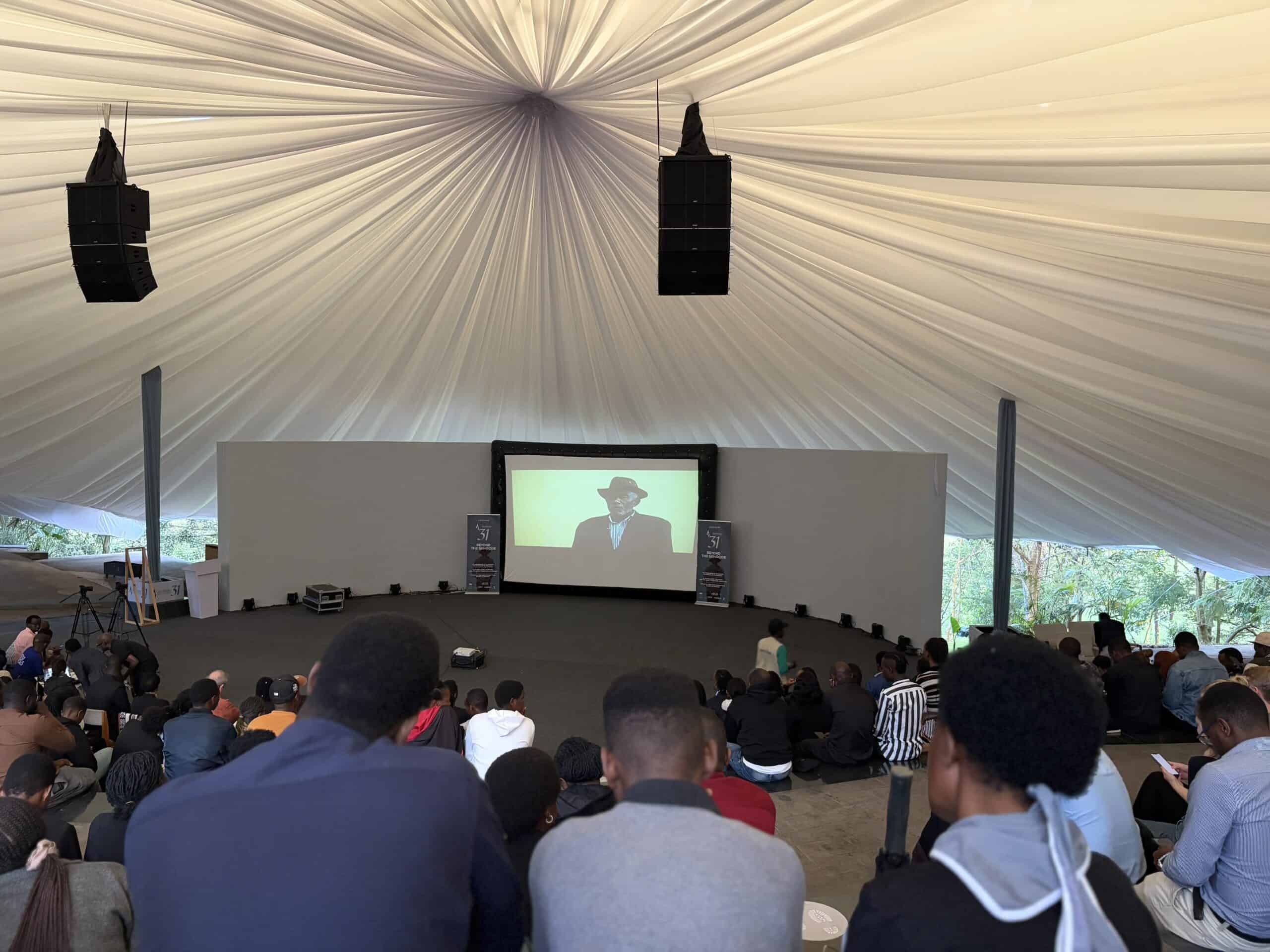
We slowly discovered the eclectic local music, art and film scene in Rwanda, catching performances by soulful Rwanda musicians and watching films in cozy independent spaces:
Sofar Sounds Kigali
Sofar Sounds is a global movement of budding musicians, that led us to an underground gathering of three Rwandan musicians in Kigali. They performed soul-stirring pieces as part of the commemoration of the genocide and the collective trauma that rears its head in many ways.
Museum Ingabo
Museum Ingabo is a storytelling, art and literature museum set up by Rwandan artist King Ngabo aims to challenge colonial perspectives and centre local voices in the stories told about the country and beyond. We caught a special exhibition that visualized how the victims of the genocide wore the same outfit for the 100 days they hid out. So powerful and moving.
Goethe Institute and Le Space Kigali
Goethe Kigali and Le Space Kigali, both screen interesting films and documentaries in the city.
Also read: 50 Epic Yet Unusual Things to do in Cape Town
Take a Rwandan cooking class with a women’s collective
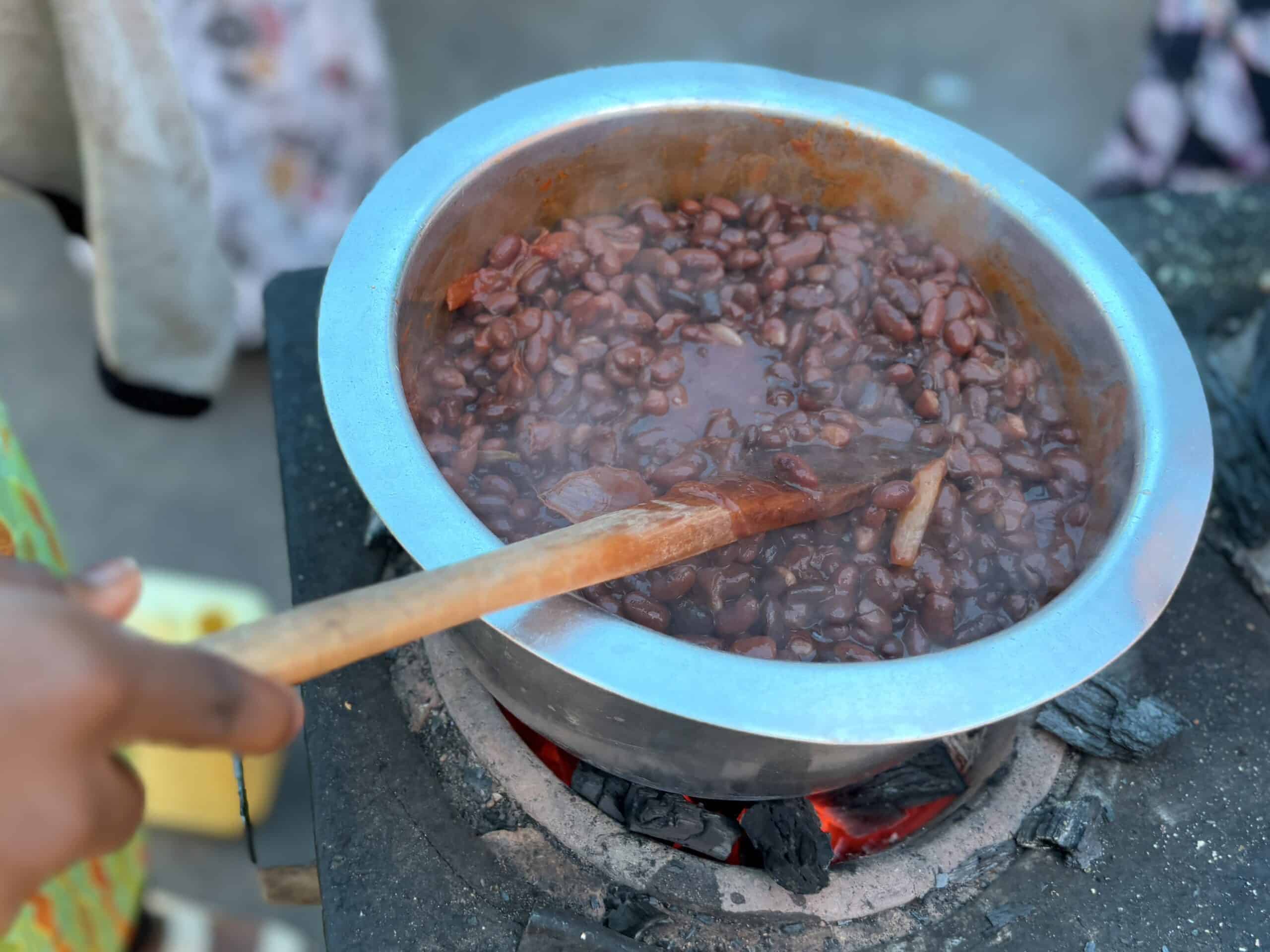
I was surprised to learn how vegan-friendly Rwandan cuisine is, featuring dishes made with kidney beans, amaranth, tapioca, sweet potato, cassava leaves, spinach etc. In the home of Aminatha, part of the community-led tourism initaitive Nyamirambo Women’s Centre, I joined a cooking class to learn to make some of them.
Over open-air charcoal chulhas in the courtyard of her house, we rinsed, chopped, stewed, steamed and cooked a delightful, healthy, accidentally vegan feast: Isombe (cassava leaves stew), ibishyumbo (kidney beans stew), dodo (amaranth leaves), matooke (green banana), sweet potatoes and cassava. Easily the best meal I had in Rwanda!
Also read: Everything You Need to Know About Community Tourism
Hike mountain and wetland trails in the heart of the city
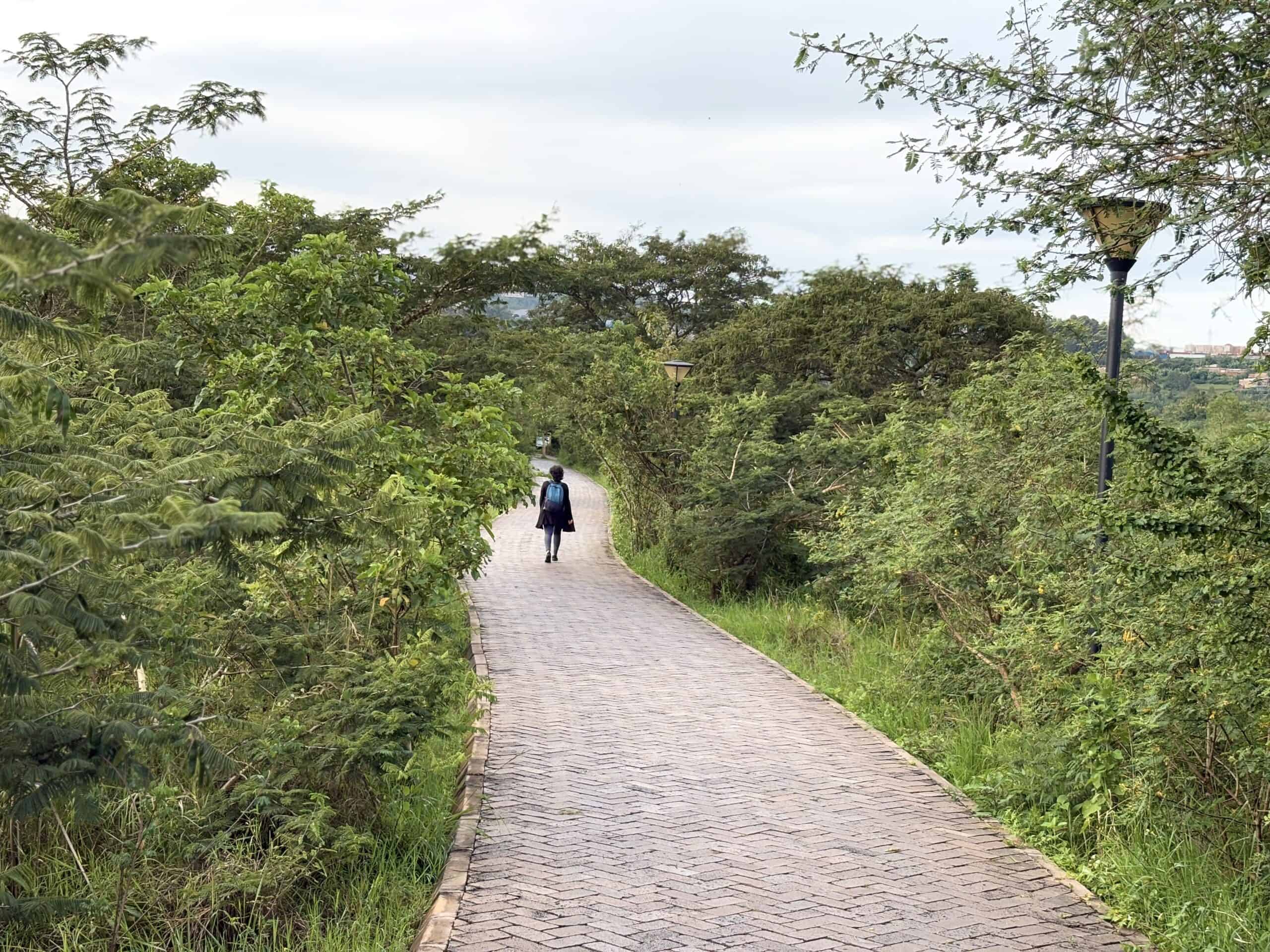
On a warm afternoon, we set out to hike up Mount Kigali, following Google Maps directions to the Mount Kigali forest. Instead, we landed up in a little make-shift village with tens of local kids accompanying us up a steep forest trail. Eventually the kids got tired and dropped off, and we kept pushing through the forest, climbing up literally vertically, till we finally joined the real trail and caught a stunning glimpse of the city from above. Consider this hike up Mount Kigali with a female guide from NWC instead!
I also recommend the Nyandungu Urban Wetlands, an eco tourism initiative in the heart of Kigali with long well-marked trails filled with birds and trees. It has a nice resto to get a drink afterwards (and a couple of vegan options that weren’t available when we visited).
Also read: Community, Conservation and Connection: Highlights of 3 Months in East Africa
Read books by Rwandan and African authors
I always try to find books by local authors in the countries I visit, to learn more about a country and its culture from an insider. I loved that Ikirezi Bookshop in Kigali has a huge section on African writing, with books and recommendations that aren’t always easy to find elsewhere. I read some incredible books by authors like Christine Warugaba, Amin Maalouf and Waris Dirie, and wished I could have carried many more with me! They also offer beginner lessons in the Kinyarwanda language but sadly the dates didn’t align with our stay.
The bookstore is also home to Inzora, a rooftop cafe with large glass windows overlooking the city, and a rooftop to hang out on cooler days. It was my favorite spot to work from, with a glass of iced chocolate or white tea, and a side of the carrot lox vegan bagel or vegan chocolate tart. Ah, good times.
Also read: If the World Was a Library, These Books Would be the Destinations I’d Pick
Feel the vibe of Kigali in a car free zone
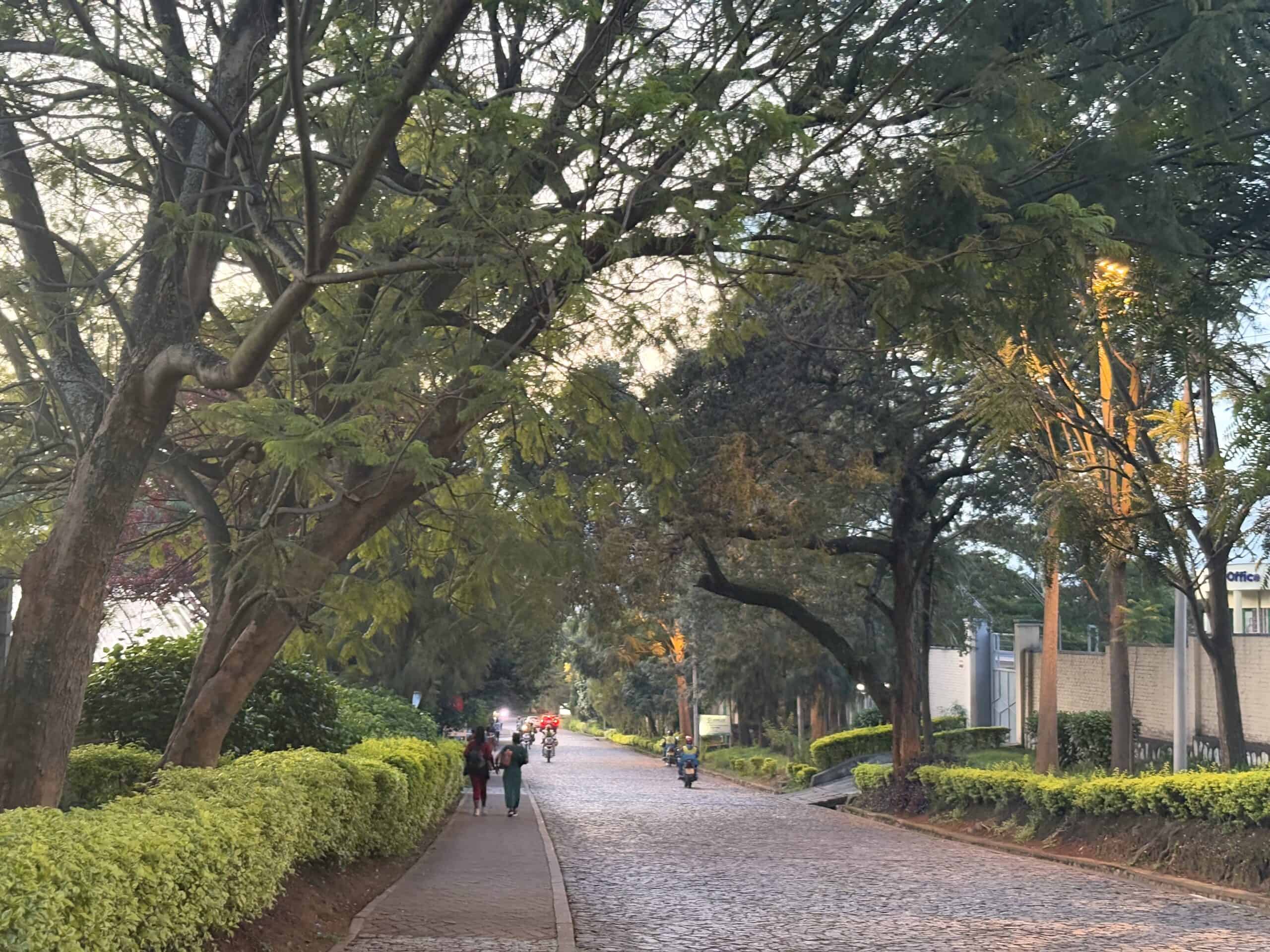
I must say I love cities with pedestrian-only areas. In Kigali, car-free zones came about as a socially distanced measure during the pandemic, and were so loved by people that they became a permanent feature.
In the old neighborhood of Nyamirambo, the car-free zone is abuzz with little cafes and restos with seating pouring onto the sidewalk. Close to the embassies and business district, Imbuga City Walk is a car-free zone popular for evening walks and events.
Also read: How We *Almost* Got Stranded at the South Africa – Lesotho Border
Try chi gong, yoga and sound healing
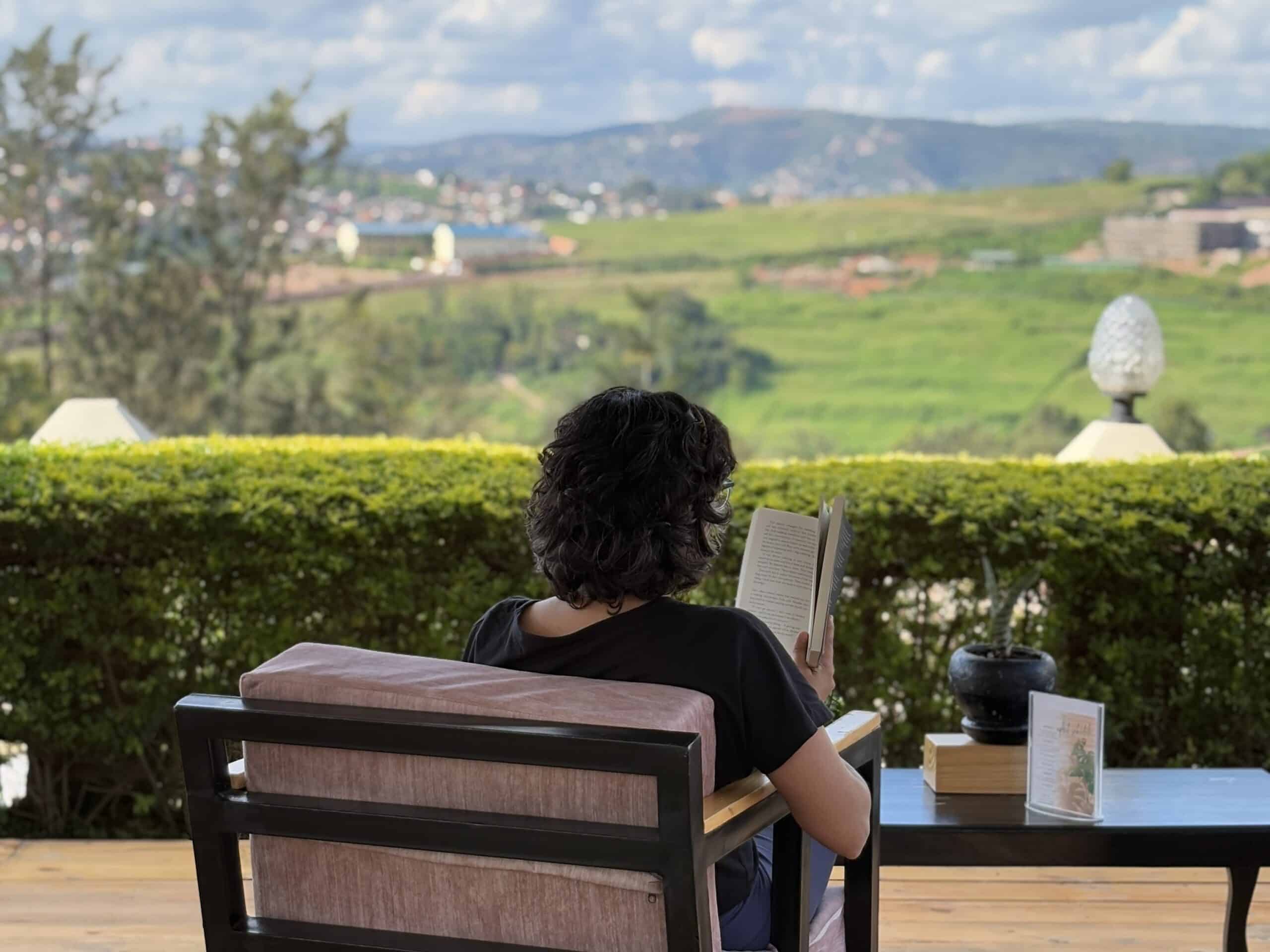
We loved doing a mix of chi gong and yoga with the Rwandan friends who run Live Well Rwanda – an initiative to bring mental and physical health access to the local community.
We became regulars at the Kigali Wellness Hub, where we loved doing power yin yoga with Claudia and yin yoga with Arvi. It really felt like becoming part of the fabric of the local community for a while, and I love that they offer donation-based yoga classes on some days to make them more accessible.
I also enjoyed yoga and sound healing with Raheema at Yo Kigali, which also houses a lovely healthy, vegan-friendly cafe.
Also read: Moonlit Cycling, Poetry and Other Meaningful Things to do in Fort Kochi
Join locals for a morning of ‘umuganda’ aka community service
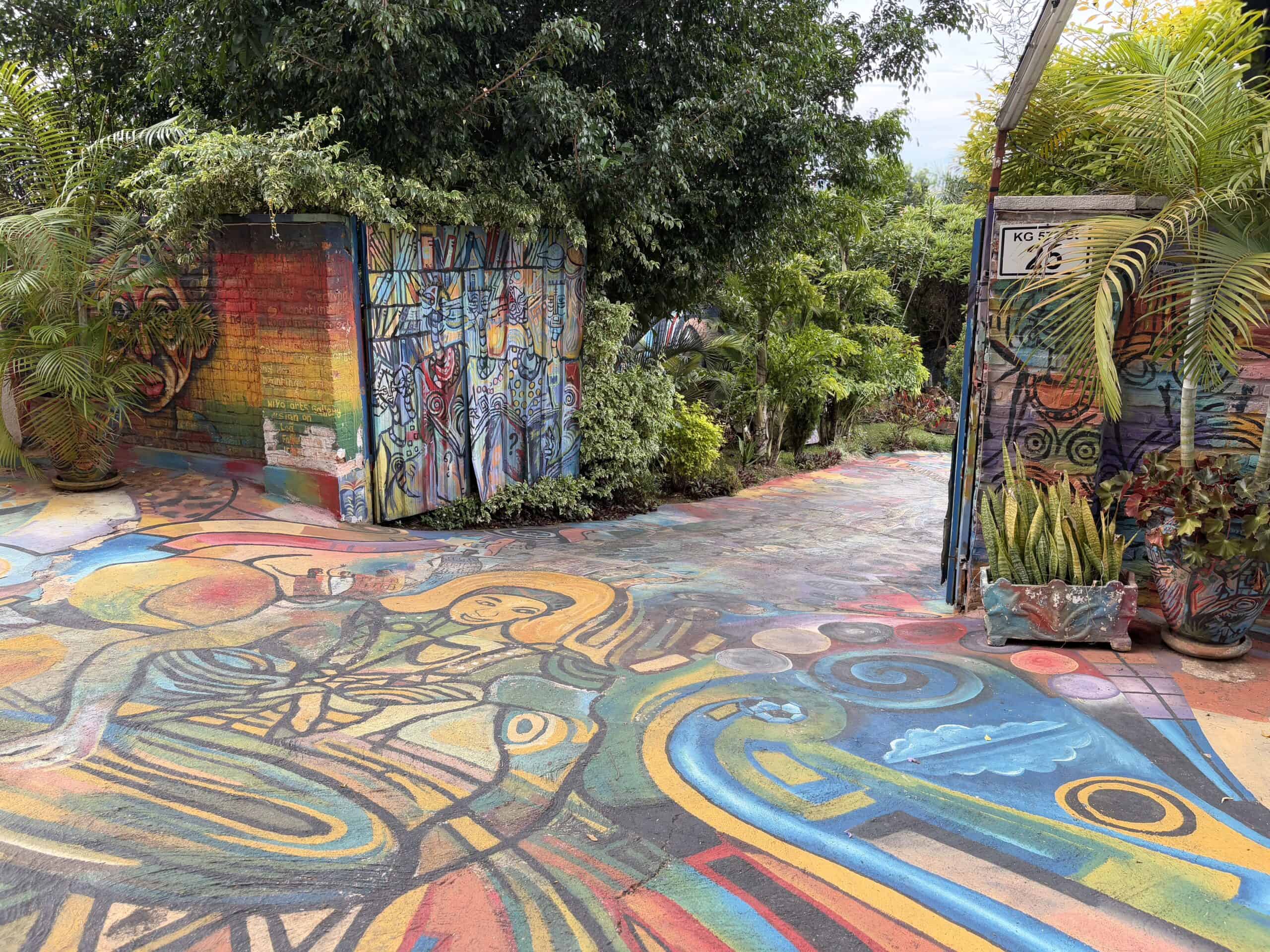
I learnt from my Rwandan hostess that in the wake of the genocide, as the government sought to rebuild the city of Kigali, they urged residents to chip in in whatever ways possible. This eventually gave birth to umuganda – voluntary community service on the last Sunday of every month, when people get together in their neighborhoods to do what needs to be done: Cleaning the streets, planting trees, maintaining the sidewalk, filling up potholes etc.
Neighborhood councils determine what is needed for the betterment of the area, and mobilize funds ahead of umuganda. Restaurants, shops, even tourism businesses remain closed or open later in the day, to allow for everyone to participate.
This doesn’t typically feature on what to do in Kigali lists, but I highly recommend that you go out into your neighborhood and join the community during umuganda. What a beautiful, powerful way to take ownership of one’s own city and neighborhood!
Also read: 10 Days in Japan: An Immersive Japan Itinerary for First Time Visitors
Run, walk and socialize with Rwandans on car-free Sundays!
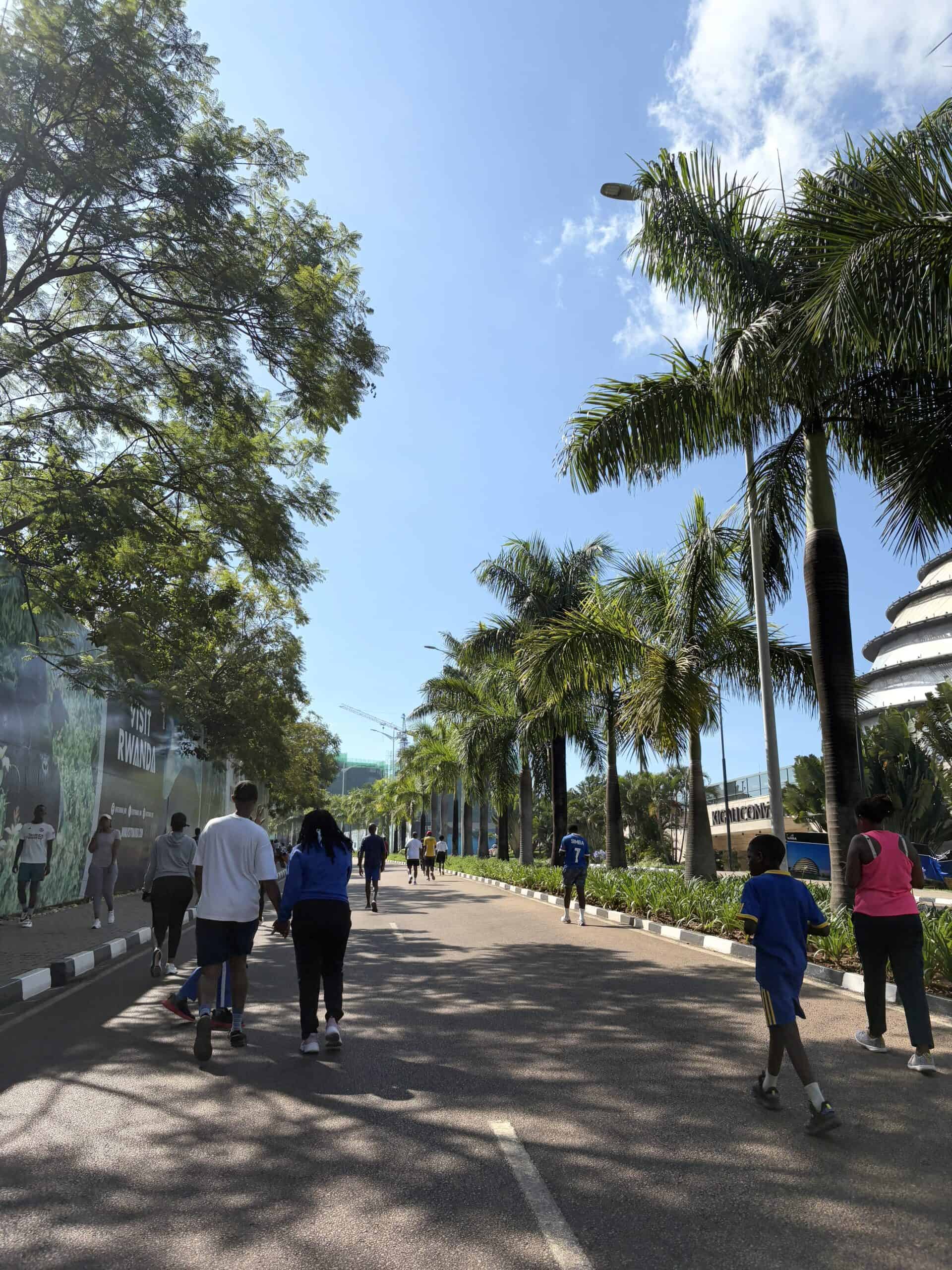
The longer we stayed in Kigali, the more the city and its innovative approaches impressed me. The city designates two Sundays a month as car-free Sundays, during which the leafy central area of Kimihurura is closed to motorized traffic and open to running, jogging, walking, cycling, sports and socialization. I loved seeing the entire city turn out in their sports gear, exercising and chatting in the backdrop of upbeat music. Such a cool idea to get people out of their homes and screens!
Also read: What it Was Like to E-Bike Across Morocco – From the High Atlas to the Sahara Desert!
Buy zero waste and learn about circular economy entrepreneurs
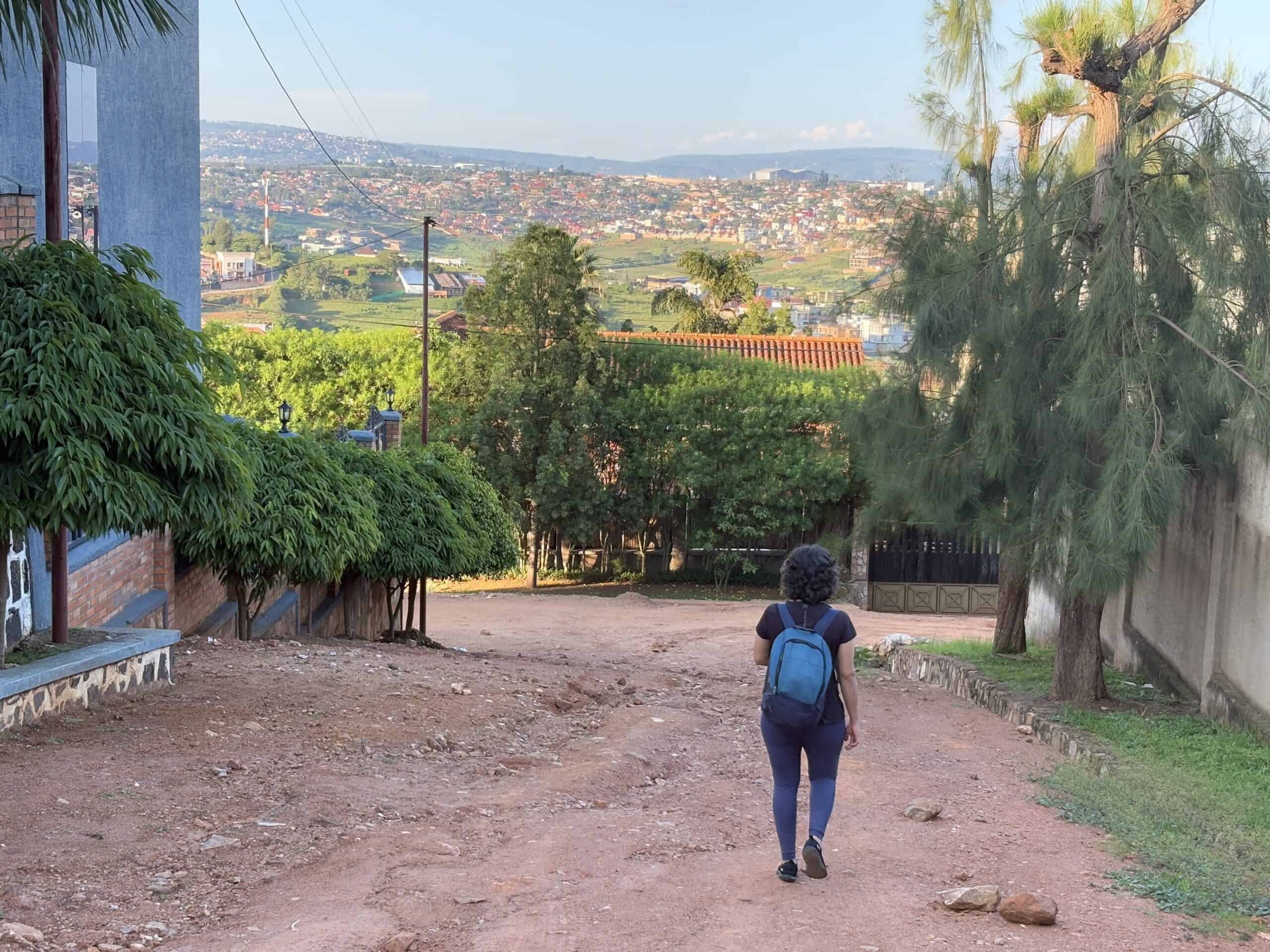
On our third day in Kigali, we serendipitously walked into the zero waste store of Hi Pima and landed an invitation to a vegan dinner introducing the city’s circular economy entrepreneurs! We met passionate Rwandans making zero waste products from locally grown natural ingredients, soaps from coffee grounds and erasable notebooks for rural communities.
Hi Pima continues to host a small zero waste store for daily essentials (carry your own boxes!), as well as innovative pre-booked vegan dinners.
Also read: Shop at These Zero Waste Stores in India to Cut Your Plastic Footprint
Indulge in vegan-friendly Rwandan food
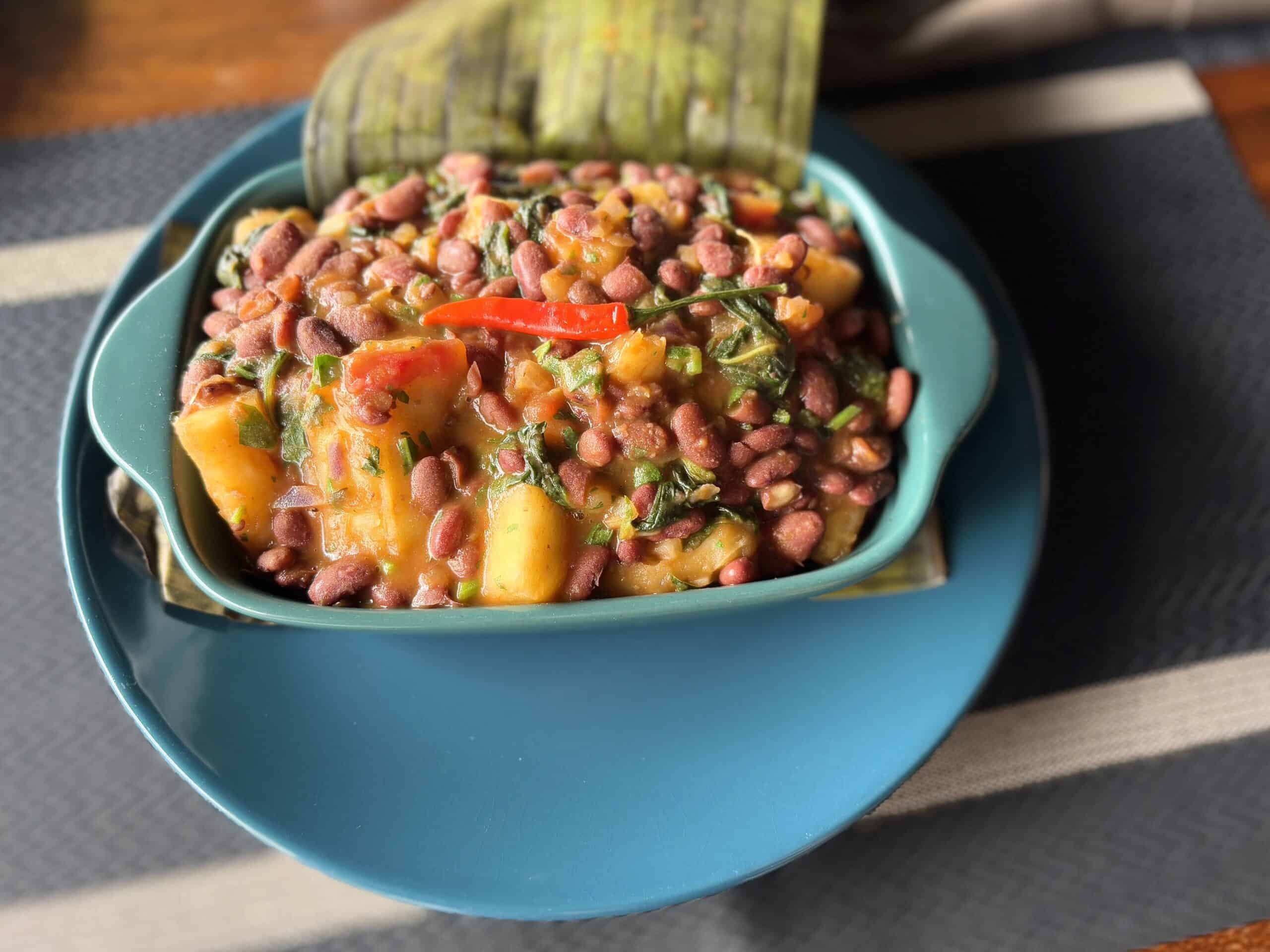
Speaking of vegan food, who knew Kigali was going to be such a treat? These were just three of my favorite eats:
- Boho: This stunning rooftop restaurant offers Africa-inspired food from Rwanda, the Congo and other countries. I had some lovely Rwandan food here featuring kidney beans and cassava. Vegan options are marked on the menu.
- SZY: Just before we left Kigali, we were lucky enough to sample some highlights on the menu of Kigali’s first entirely vegan resto – SZY (opening March 2026). And we were mindblown! The vegan miniburgers, pasta and desserts we tried were the best we had not just in Rwanda but also in life. One of my many reasons to go back to the city 😉
- Nyamirambo Women’s Collective: Every tour with NWC is rounded off with a meal at Aminatha’s house, and it’s undoubtedly the best local (and mostly vegan) food in Rwanda!
Also read: How to Travel as a Vegan and Find Delicious Food Anywhere in the World
Where to Stay in Kigali
Long term stay: Itoto Loft
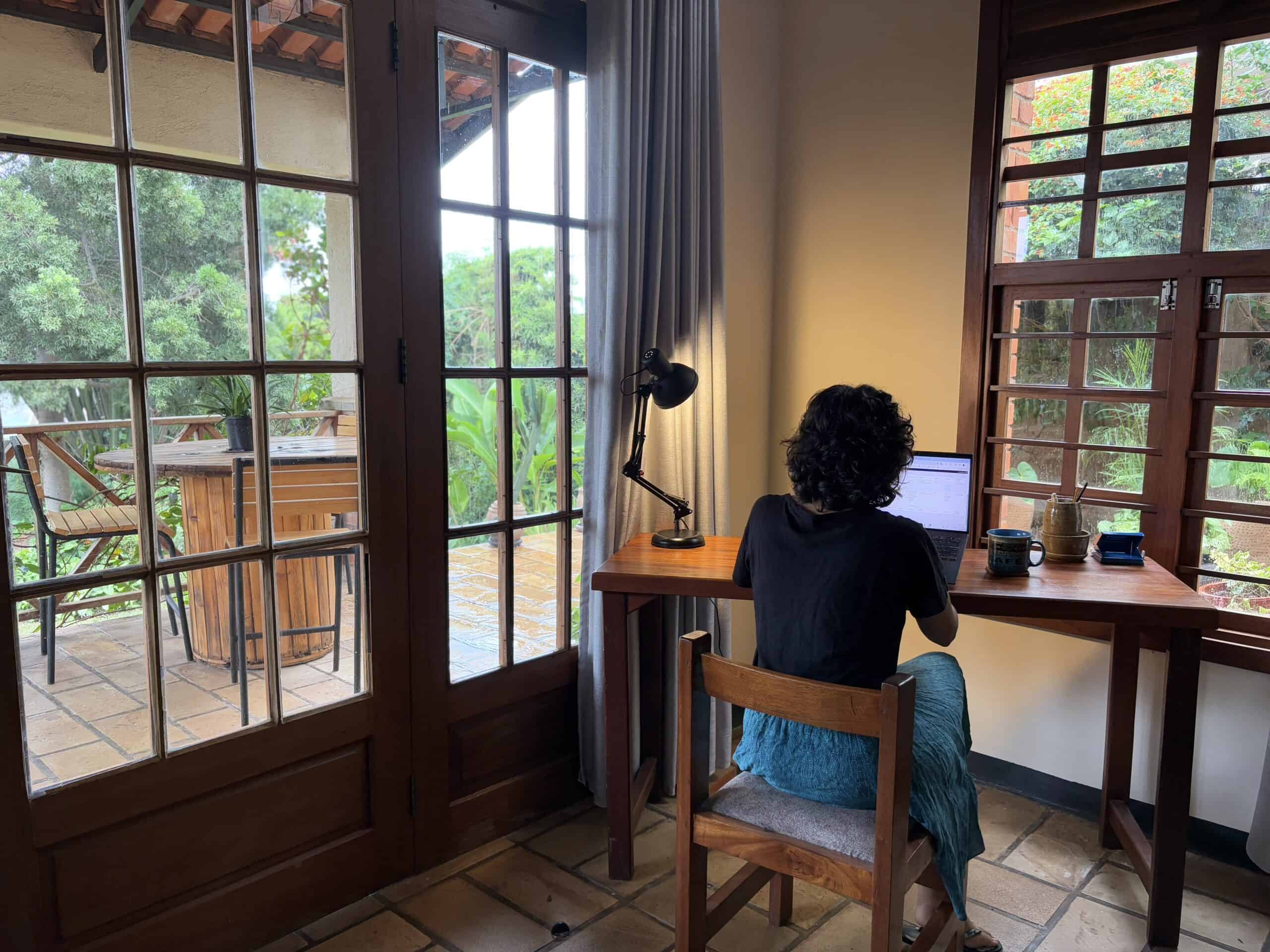
We stayed the month at Itoto Loft, a beautiful family-run studio in the house of a welcoming Rwandan family. I loved the natural light, brick walls, cozy attic, tall glass doors and inspiring workspace, with lots of birds right outside the window. We felt at home right away!
It’s a bit away from the hustle of the city, which made it perfect for a month-long stay. But there are no cafes/restos in the vicinity, so a bike or cab is always needed to get around.
Get 1275 off your first stay if you haven’t used Airbnb before!
Short term stays
I kept a keen eye out for places I could stay at if I was in the city for a shorter time. Here are some that promise a comfy stay and follow eco-friendly practices, while also engaging with the local community:
Eagle View Lodge
Built on a hill in the stunning neighborhood of Rebero, Eagle View Lodge offers studios and rooms with panoramic views of the city and yet is not too far from all that it has to offer. Set up by a Rwandan entrepreneur, it also often hosts exhibitions by budding local artists. If you’re vegan, let them know beforehand.
Heaven
In the leafy neighborhood of Kiyovu, Heaven is not just a cozy boutique hotel but also a hospitality training centre for Rwandan youth. Owned by an American couple invested in the local community, the hotel was built by local artists and is home to a lovely restaurant serving up vegan-friendly Rwandan dishes like isombe (cassava leaves stew) and agatogo (green peas and cassava curry).
The Retreat by Heaven is their latest luxury offering in the city – designed by Italian architects, built with local materials, powered mostly by solar, and continuing to train Rwandan youth in hospitality and entrepreneurship.
Also read: 10 Incredible Eco Lodges Around the World: Indulge Yourself and Spare the Planet
How to get around Kigali
Motos (Motorbike taxi)
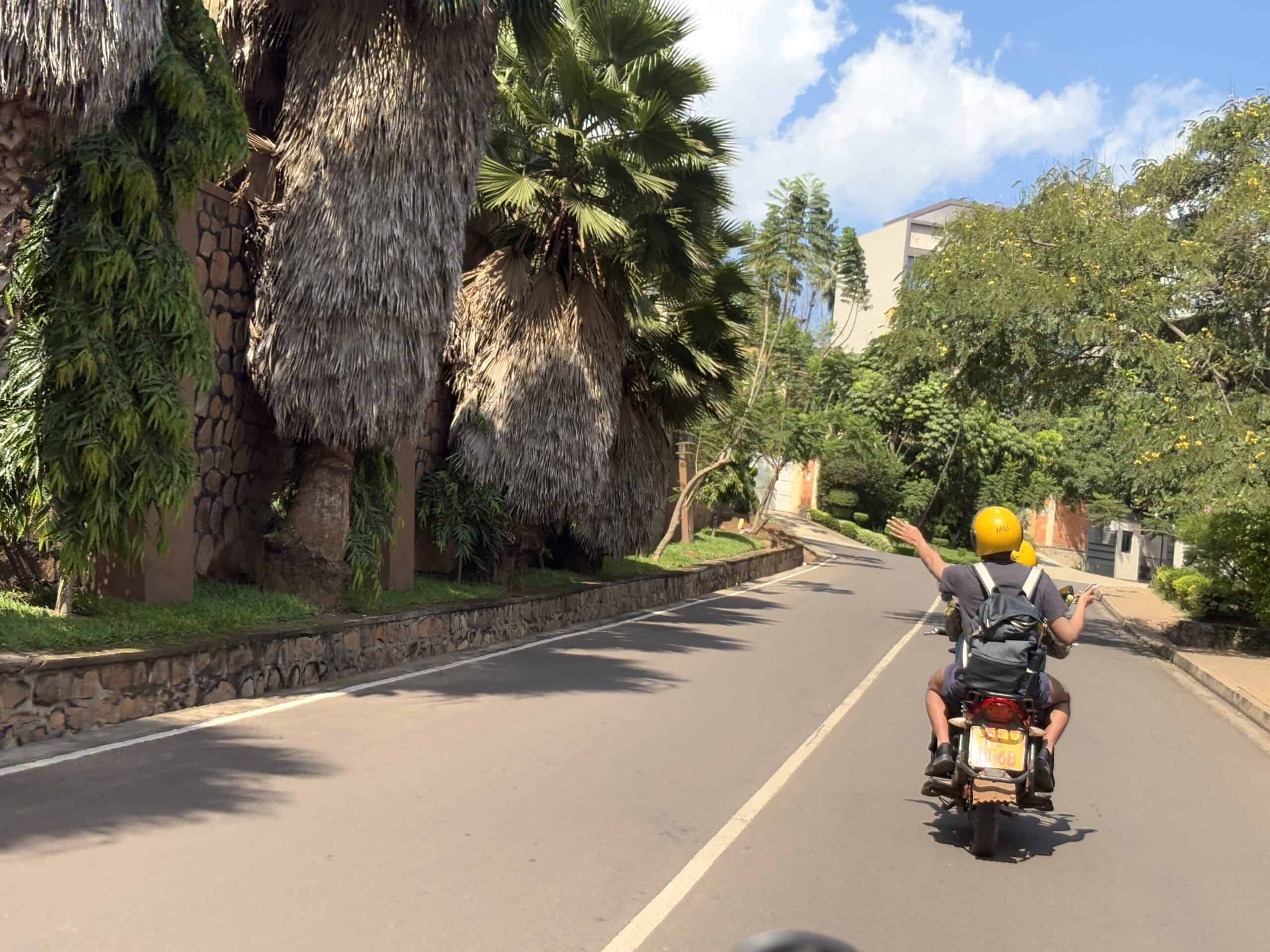
With public transport limited to some inconsistent and slow buses, motos are the most common mode of transport in Kigali. You can easily hail a motorbike taxi off the road, discuss a price and get on. They usually charge 500-2000 Rwandan Francs (0.30-1.2$ or ₹30-120). Carry a bandana, cap or cloth to cover your head under the publicly used helmet. I love that many of the motos in Kigali are now electric bikes!
Move
Move is a local taxi app similar to Uber, but only with Volkswagen cars! Costs about 8000-12000 RWF (5-8$) for a ride.
Yego
Yego is the cheaper version of Move with a mix of nice and not-so-nice cars, but they get you there. Sometimes the Yego drivers are new to reading directions using Google Maps, so have patience. Costs about 5000-10,000 RWF (3-7$) for a ride.
Short / day trips from Kigali
Lake Muhazi
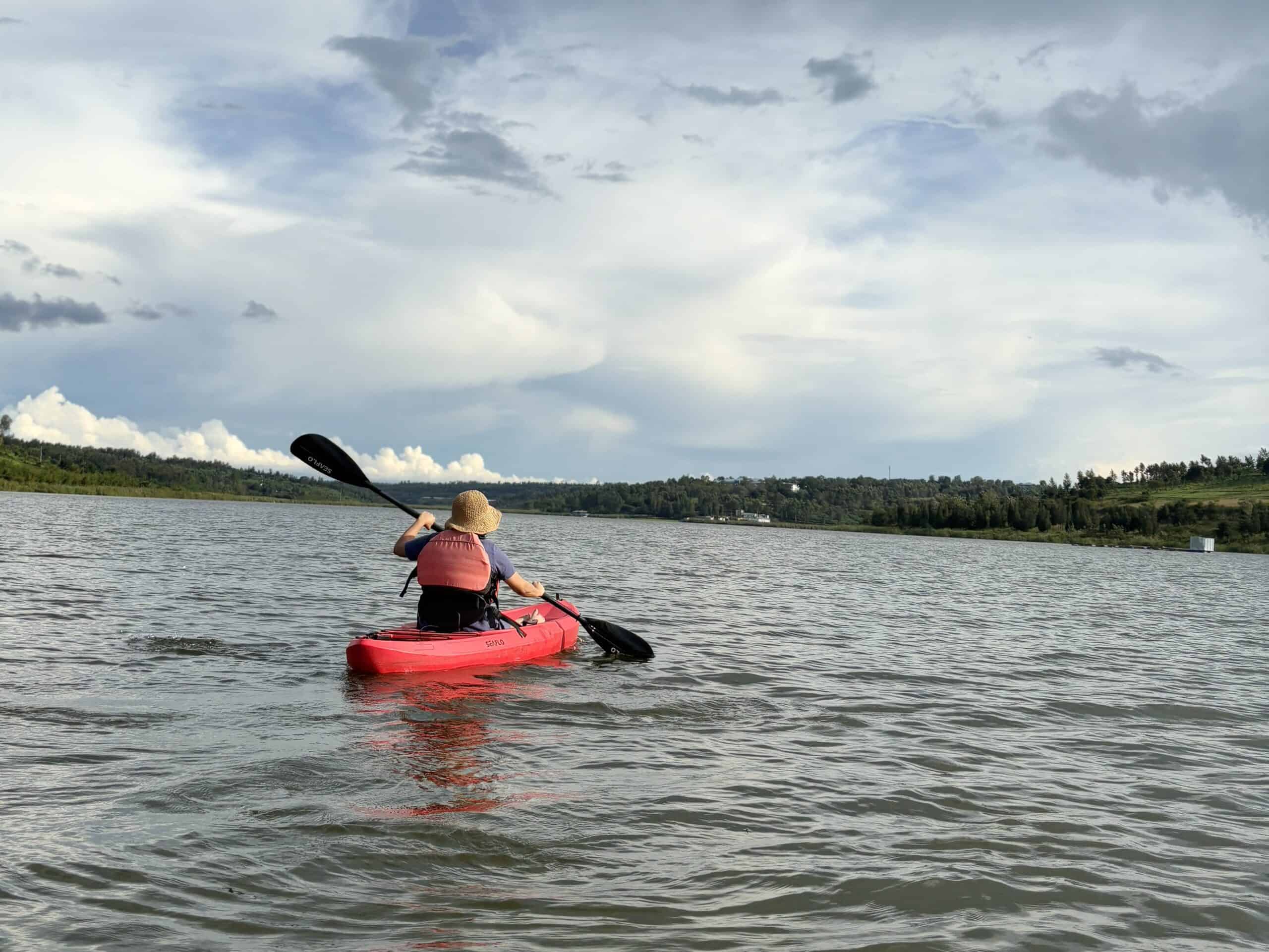
Over a short trip from Kigali, we stayed at the stunning, mostly solar-powered eco-lodge UMVA Muhazi, set on the shores of the vast Lake Muhazi – just a 1.5 hour drive from Kigali. Our Birdhouse, built mostly with rammed earth, with tall glass doors overlooking the lake, was rooted in sustainable architectural design, and lent slowness to our days. The lodge offers signature community dinners each night. All the guests dine together and bond over a 5-course meal, prompted by interesting question cards as conversation starters! We met people from Rwanda, Gabbon, Germany, the UK etc, working on interesting environmental and social initiatives, and got some great travel advice for East Africa too!
We kayaked on Lake Muhazi under a cloudy sky, in the cooling breeze, surrounded by lush greenery. But be careful, the lake (like many in East Africa) contains the parasite Bilharzia, and I almost bought myself a coffin when I googled what it does 😉
Umusambi Village

I kept putting off a trip to Umusambi Village – a wildlife conservation initiative just a half hour drive from Kigali, until we ran out of time 🙁 But I learnt from my Rwandan hostess that these restored wetlands offer a safe haven for Grey Crowned Cranes rescued from illegal captivity as pets. Since they can’t live in the wild anymore, Umusambi offers a safe space for them to live freely, with guided walking trails for visitors to enjoy the wetlands and view them. I eventually saw these majestic birds in the wild in Uganda, and wish them all the freedom <3
Is slow travel in Kigali / Rwanda on your radar?

Hi there! I’m Shivya, and I started this travel blog back in 2011, when travel wasn’t trendy, Instagram didn’t exist and AI wasn’t a thing (simpler times, I know!). I write about slow, meaningful and conscious travel – that is good for us, the places we visit, the people we meet along the way, and the planet at large. Settle down, grab a cup of tea, and read stories that remind you of the essence of travel. I’m so glad you found me!